What is a Vertical Expander Machine and Its Benefits?
In the world of industrial manufacturing, the Vertical Expander Machine stands out. This innovative equipment is designed to efficiently shape and expand materials, enhancing productivity and performance across various sectors. John Smith, a noted expert in manufacturing technologies, once said, “The Vertical Expander Machine transforms how we approach material processing.”
This machine is particularly beneficial for companies looking to optimize their production lines. With its ability to manipulate materials with precision, it reduces waste and improves quality. Many manufacturers have reported significant increases in output and efficiency after incorporating a Vertical Expander Machine into their operations.
However, integrating this technology isn't without challenges. Not all companies are equipped to handle the transition. Training staff and ensuring compatibility with existing systems can be daunting. Reflecting on these challenges, it's clear that while the Vertical Expander Machine has immense potential, it requires careful planning and execution to fully realize its benefits.
What is a Vertical Expander Machine?
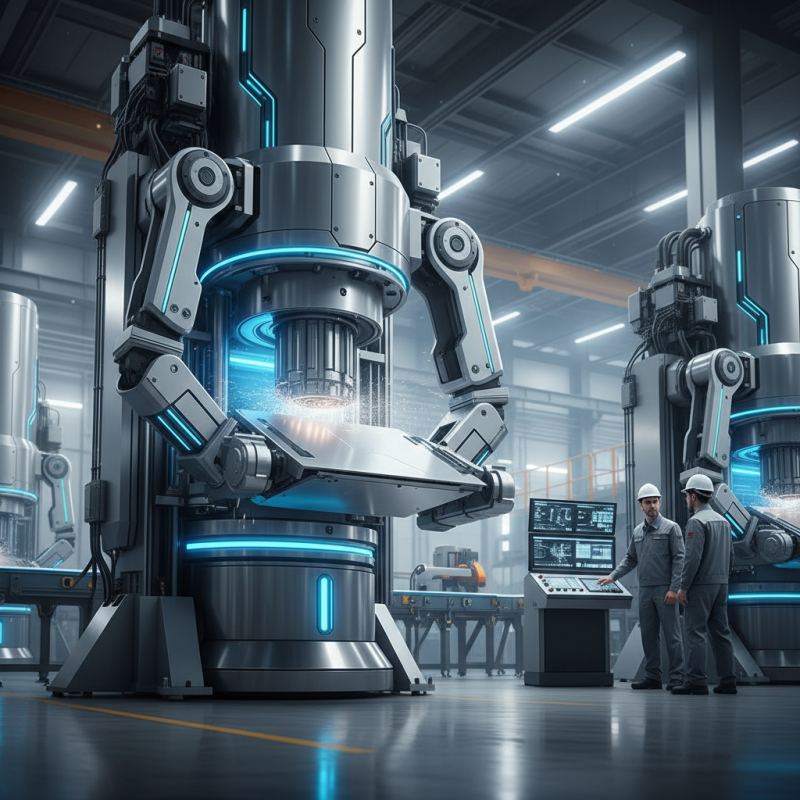
A vertical expander machine is an advanced piece of equipment used in various industries. It primarily functions to stretch and reshape materials through a vertical process. This orientation allows for efficient material handling and can enhance the final product's quality. In many cases, it's used for deforming various metals or plastics, providing precise dimensions.
The key benefits of using a vertical expander include improved material consistency and reduced waste. With its ability to accurately control the expansion process, manufacturers can achieve tighter tolerances. This accuracy often leads to sturdier end products that meet high-quality standards. Additionally, fewer raw materials are wasted during production, which can lead to cost savings in the long run.
However, there are challenges associated with using this type of machine. Operators must be well-trained to handle the equipment properly. Misalignment can lead to defects, requiring careful monitoring during operation. This highlights the importance of proper training and maintenance for the vertical expander machine to function at its best. The learning curve can be steep, and it demands attention to detail.
Benefits of Vertical Expander Machines
Key Components of a Vertical Expander Machine
Vertical expander machines are essential in many industries, particularly in oil and gas. They aid in the extraction and processing of natural resources. Understanding the key components of these machines can illuminate their operational efficiency.
One critical component is the rotor. The rotor's design significantly impacts energy consumption and overall performance. According to industry reports, optimizing rotor design can increase efficiency by up to 20%. Another important part is the housing. It contains the rotor and maintains the necessary pressure during operation. Proper housing design ensures minimal energy loss, enhancing the machine's reliability.
Seals are also vital in vertical expander machines. They prevent leakage, which can lead to performance degradation. Research indicates that effective sealing solutions can reduce maintenance costs by more than 15%. Nonetheless, challenges persist in material selection for seals. Using the wrong material can lead to failures in high-pressure situations. Thus, continuous innovation is critical to improving these components and driving industry advancements.
How Vertical Expanders Work: A Step-by-Step Process
Vertical expander machines play a crucial role in various industries. Their operation is straightforward yet efficient, making them a valuable asset. Understanding how they work can enhance productivity in manufacturing processes.
The process begins with a material feed entering the machine. The vertical expander uses a series of blades to expand and shape the material. As the blades rotate, they apply force, transforming the material into the desired form. This occurs in a controlled environment to maintain quality. Ensuring precision is essential; even minor inaccuracies can lead to defects.
**Tips:** Regular maintenance is vital. Check the blades frequently for wear and tear. This will prevent unexpected downtime. Training staff on the machine’s operation can improve safety and efficiency. Encourage feedback from operators; their insights can lead to better practices.
After expansion, the material is typically cooled or cured. This step solidifies the shape and ensures stability. Monitoring temperature is critical; deviations can affect the final product. Understanding these steps and refining the process can lead to significant improvements in production quality. Each detail in the vertical expander's operation is essential for achieving consistent results.
What is a Vertical Expander Machine and Its Benefits? - How Vertical Expanders Work: A Step-by-Step Process
| Feature | Description | Benefits |
| Design | Vertical configuration allows for compact installation. | Saves floor space and enhances productivity. |
| Energy Efficiency | Optimized for low energy consumption during operation. | Reduces operating costs and environmental impact. |
| Versatility | Can process various materials including metals and plastics. | Increases application range and market opportunities. |
| Safety Features | Equipped with safety guards and emergency shut-off mechanisms. | Enhances worker safety and reduces workplace accidents. |
| Maintenance | Designed for easy access to components for regular maintenance. | Minimizes downtime and lowers maintenance costs. |
Benefits of Using Vertical Expander Machines
Vertical expander machines are essential in various industries. They enhance the production of materials by allowing greater control over the expansion process. This technology plays a crucial role in optimizing the performance of materials, particularly in metal and textile industries.
One significant benefit of using vertical expander machines is efficiency. According to a 2021 industry report, companies using these machines reported a 20% increase in throughput. This improvement leads to faster production times, ultimately boosting profitability. Additionally, the machines produce minimal waste, which aligns with sustainability goals. This reduction in waste can lead to significant cost savings for manufacturers.
Another advantage is versatility. Vertical expanders accommodate different materials and applications. This flexibility can meet varying industry demands, making them invaluable. Furthermore, user operability is straightforward. Operators often need less training to utilize these machines effectively. However, it's essential to recognize that inconsistent maintenance practices can lead to performance issues. Regular checks are necessary to maintain optimal function and prevent downtime in production.
Applications of Vertical Expander Machines in Various Industries
Vertical expander machines are versatile tools used across multiple industries. Their primary function involves expanding and shaping various materials, often metals and plastics. These machines enjoy significant applications in manufacturing, aerospace, and automotive sectors. According to a recent report by industry experts, the global market for vertical expanders is projected to grow by over 15% annually. This growth stems from increasing demand for precision components.
In the manufacturing sector, vertical expanders are essential for producing high-quality parts. They enhance product consistency. Reports indicate that companies using these machines see a 20% reduction in defect rates. In aerospace, they help in creating lightweight structures without compromising strength. Products like wing parts and fuselage sections benefit from this technology. Automotive manufacturers use vertical expanders to form frames and body panels, contributing to safer and more fuel-efficient vehicles.
While the advantages are significant, challenges exist. Operators require training to handle these machines effectively. Moreover, maintaining precision can be complex and time-consuming. Frequent adjustments may be necessary to cater to material variability. Industry data shows that 30% of equipment failures stem from inadequate training or maintenance. Therefore, addressing these shortcomings is crucial for companies relying on vertical expander technology.
