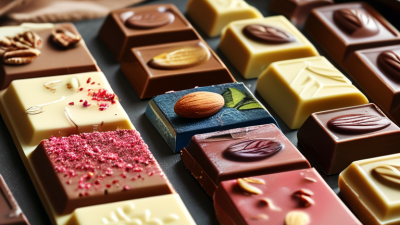
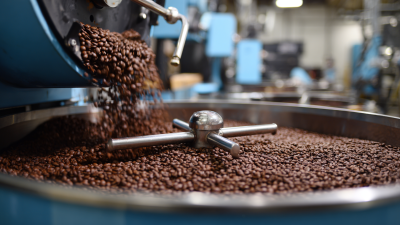
Chocolate production is becoming more precise, flexible, and equipment-driven. Fortune Business Insights valued the global chocolate market at approximately USD 119.39 billion in 2023. Its report also expects continued growth through 2032. This expansion increases pressure on manufacturers to improve coating consistency, output, and product appearance. A modern chocolate coating machine can help manage these demands. It controls chocolate temperature, curtain flow, belt speed, and cooling conditions. Small settings matter. A slightly warm tunnel may leave a soft, dull shell.
This guide examines the top types of chocolate coating machines used across commercial production. Enrobers are suited to biscuits, bars, wafers, and filled centers. Panning machines serve smaller pieces, including nuts, dragees, and confectionery clusters. Chocolate curtain coaters support continuous lines and high-volume production. Some systems combine coating, vibration, cooling, and automatic chocolate tempering. Others focus on compact output for artisan or seasonal products. The right choice depends on throughput, coating thickness, product shape, cleaning requirements, and available floor space.
Industry research from ResearchAndMarkets identifies automation, energy efficiency, and hygienic design as important trends in chocolate processing equipment. PMMI reports also highlight growing demand for flexible packaging and efficient production systems. Yet technology alone does not guarantee better chocolate. Operators still need practical experience. Recipes behave differently under changing humidity and room temperatures. A machine may perform well during testing but struggle during a busy shift. That gap deserves honest attention. Understanding each machine type helps buyers compare real production needs instead of choosing equipment by appearance or headline capacity.
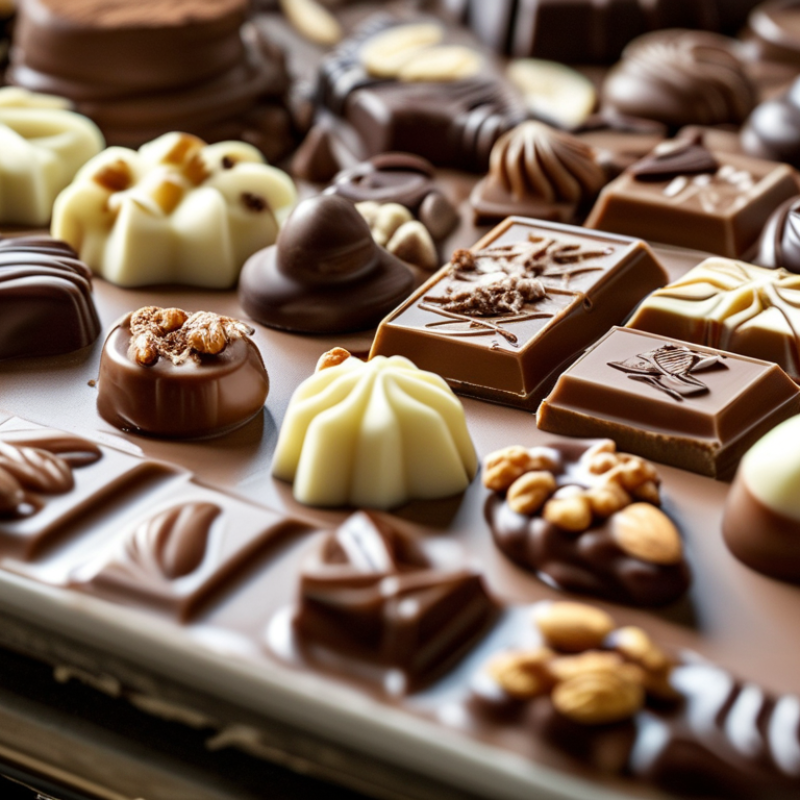
Chocolate coating machines apply a controlled layer of chocolate to bars, biscuits, wafers, and centers. The process usually begins with tempering. This stabilizes cocoa butter crystals and reduces dull surfaces or fat bloom. A heated pump sends chocolate through a curtain or enrober. Products travel beneath it on a moving belt. Excess chocolate drains through a vibrating grid, while a cooling tunnel sets the coating.
The main types include bottoming machines, full enrobers, and panning systems. Bottoming units coat only the product base. Full enrobers cover the top, sides, and sometimes the underside. Panning machines rotate centers inside a drum while chocolate is added in thin layers.
According to PMMI’s 2023 packaging machinery data, U.S. packaging machinery shipments were worth approximately 10 billion dollars. That investment reflects demand for higher automation and steadier output. The International Cocoa Organization estimated 2023/24 cocoa production at about 4.46 million tonnes. That volume makes coating consistency more than a cosmetic concern.
Tips: Match belt width with daily throughput, not the highest advertised speed. Check chocolate viscosity at the actual operating temperature. A small temperature drift can change coating weight. Cooling tunnels also need balanced airflow. Too much cooling may create cracks. Too little may leave fingerprints. In my experience, operators often focus on the enrober and overlook the tempering unit. That is a mistake, though not always. Record coating weight, belt speed, and product temperature during each shift. These simple records help reveal waste, uneven coverage, and settings that need reconsideration.
What Are the Top Types of Chocolate Coating Machines?
Continuous chocolate coating machines are built for steady, high-volume production. Products move through a controlled curtain of tempered chocolate on a wire mesh belt. Blowers remove excess coating, while cooling tunnels set the shell without stopping the line. This design reduces manual handling and improves output consistency. According to the International Cocoa Organization’s 2023/24 report, global cocoa grinding was forecast at about 4.8 million tonnes. That scale creates strong pressure for faster and more stable processing equipment.
Large lines often combine automatic tempering, enrobing, cooling, weighing, and product transfer. Sensors monitor chocolate temperature, belt speed, and coating thickness. A small temperature drift can create dull surfaces or poor adhesion. Not everything is automatic. Operators still inspect gloss, snap, and edge coverage during production. A 2024 PMMI industry report identified labor shortages and automation as major packaging priorities. Continuous coating systems address both issues, but they require disciplined cleaning and calibration. The difficult part is often not speed. It is maintaining quality for hours.
Tips: Keep chocolate temperature within the supplier’s tested range. Check belt tension every shift. Measure coating weight, not only appearance. Record cooling-room humidity. It is easy to overlook.
Data from Grand View Research also links food processing investment with rising automation demand. However, every factory has different products, recipes, and room conditions. A machine that performs well with bars may struggle with biscuits or irregular centers. Trial runs remain essential.
Representative throughput ranges for commercial chocolate-processing equipment
Continuous chocolate enrobers generally provide the highest throughput because products move continuously through tempering, coating, and cooling sections. One-shot depositing, shell-moulding, and panning systems are also widely used, but their practical output depends more strongly on product size, coating thickness, recipe, cooling capacity, and changeover requirements. The values shown are representative industry planning ranges rather than brand-specific specifications.
Batch chocolate coating machines support flexible manufacturing by handling several product sizes and recipes on one production line. Operators can adjust belt speed, chocolate flow, and cooling time with practical precision. This makes them useful for coated biscuits, nuts, bars, and seasonal products.
In real production, flexibility depends on more than machine capacity. A controlled tempering system helps create a smooth finish and a firm snap. Adjustable enrobing curtains can manage thin or generous chocolate layers. Quick cleaning access also reduces changeover delays between recipes.
Still, no setup is perfect. Chocolate viscosity can shift with room temperature, and small changes may affect coating weight. Experienced operators check samples often instead of trusting settings blindly. That habit prevents costly surprises, although it can slow production slightly.
What Are the Top Types of Chocolate Coating Machines?
Enrobers and chocolate panning machines apply coatings differently. An enrober moves products across a vibrating wire mesh. A chocolate curtain covers the top, sides, and sometimes the base. Bottoming rollers complete the layer. This design suits biscuits, bars, wafers, and centers requiring consistent coverage. Operators can adjust belt speed, curtain flow, and chocolate temperature within minutes. That control matters because chocolate may lose its gloss when tempering becomes unstable.
Chocolate panning machines use a rotating drum. Products tumble while chocolate, syrup, or polishing agents are added in small doses. Warm air helps each layer set before the next application. This process creates thicker shells around nuts, fruits, and irregular centers. It feels slower, but the rounded finish is difficult to reproduce with a standard enrober. The International Cocoa Organization estimated global cocoa grindings at approximately 4.86 million tonnes in 2023/24, supporting continued demand for efficient coating systems.
The equipment choice depends on geometry, coating weight, and production rhythm. Mordor Intelligence reports that the chocolate processing equipment market is expected to grow at roughly 6% annually through 2030. That forecast encourages automation, yet automation alone cannot fix poor center preparation. In plant trials, sticky centers can cluster inside a pan, while low-viscosity chocolate can leave thin spots beneath an enrober. The distinction is not absolute. Some manufacturers combine both methods, although cleaning, cooling space, and operator training become more demanding. A practical mistake is comparing machines only by hourly capacity. Surface quality often reveals the better investment.
| Machine Type | Operating Principle | Best-Suited Products | Typical Coating Coverage | Typical Production Scale | Coating Thickness Control | Key Advantages | Main Limitations |
|---|---|---|---|---|---|---|---|
| Chocolate Enrober | Products travel on a moving wire mesh through a curtain or cascade of tempered chocolate. A bottomer, blower, or vibrating section removes excess chocolate. | Biscuits, wafers, bars, cakes, marshmallows, fondants, and other products with a relatively regular shape. | Can coat the top, sides, and bottom; full or partial coverage is possible with suitable attachments. | Continuous production from small industrial lines to high-output factory lines; output depends on belt width, belt speed, product size, and chocolate flow. | Generally precise and repeatable through chocolate temperature, curtain flow, belt speed, vibration, and air-blower adjustments. | High consistency, continuous operation, efficient product transfer, and good suitability for standardized products. | Requires products that can be conveyed reliably. Irregular or fragile pieces may need special feeding and handling equipment. |
| Chocolate Panning Machine | Products rotate or tumble in a slowly turning pan while chocolate is added in controlled portions. Drying or cooling air is used between applications. | Nuts, dried fruit, centers, lentils, cereal pieces, and other small products that can withstand gentle tumbling. | Usually provides rounded or layered coverage around individual pieces; complete coverage is common when the process is properly controlled. | Batch production, with capacity determined by pan volume, product density, coating target, and cycle time. | Controlled by chocolate addition rate, pan speed, batch size, air conditions, and the number of coating cycles. | Flexible for different center shapes, suitable for layered coatings, and capable of creating smooth or polished finishes. | Slower than continuous enrobing for many flat products. Tumbling can damage delicate products or cause pieces to stick together. |
| Bottoming or Chocolate Coating Line | Products pass over a chocolate application section that deposits chocolate mainly on the underside, sometimes followed by cooling and setting. | Biscuits, cookies, wafers, confectionery centers, and products that require a chocolate base rather than full coverage. | Primarily bottom coverage, with the exact area determined by the applicator and product contact surface. | Continuous operation; practical output varies with conveyor width, product spacing, and coating weight. | Adjusted using chocolate flow, applicator gap, product speed, and chocolate viscosity. | Uses less chocolate than full enrobing and provides a clean, consistent base layer. | Does not provide full top and side coverage without additional coating equipment. |
| Chocolate Drizzling or Decorating Machine | Tempered or prepared chocolate is deposited in lines, zigzags, patterns, or small portions onto the product surface. | Biscuits, cakes, bars, pastries, molded products, and items requiring a decorative finish. | Surface decoration or stripes rather than complete encapsulation. | Continuous or semi-continuous production, depending on the conveyor and depositor configuration. | Controlled by nozzle size, chocolate pressure or pump rate, conveyor speed, and programmed movement. | Creates repeatable visual designs while adding a relatively small quantity of chocolate. | Not intended for full coating. Pattern quality can be affected by chocolate temperature and product surface conditions. |
| Chocolate Tempering Machine | Melts, cools, and reheats chocolate through a controlled temperature cycle to form stable cocoa butter crystals before application. | Used upstream of enrobers, panning systems, molding lines, bottomers, and decorating equipment. | Does not apply coating by itself; it prepares chocolate for consistent application and setting. | Available for batch preparation or continuous chocolate supply, depending on process requirements. | Controls chocolate temperature and crystal structure rather than coating thickness directly. | Improves gloss, snap, contraction from molds, setting behavior, and resistance to fat or sugar bloom. | It is a chocolate-conditioning system, not a complete coating machine. Correct tempering depends on chocolate formulation and processing conditions. |
| Chocolate Cooling Tunnel | Coated products move through controlled zones of cool, filtered air to solidify and stabilize the chocolate layer. | Products coated by enrobers, bottomers, decorators, or other continuous chocolate application systems. | Does not add chocolate; it sets and stabilizes the coating already applied. | Continuous production with tunnel length and belt width selected according to coating weight, product size, and required cooling time. | Influences final setting uniformity through air temperature, airflow, humidity, belt speed, and zone control. | Supports a smooth finish, reduces handling damage, and helps the coating reach a stable condition before packaging. | Requires adequate space and careful control. Excessively cold or humid conditions can negatively affect chocolate appearance. |
Chocolate coating machines differ by product shape, output, and coating thickness. Enrobing machines suit bars, biscuits, wafers, and filled centers. They create a controlled chocolate curtain, then pass products through cooling tunnels. Panning machines work better for nuts, dried fruit, and irregular pieces. Spray coaters provide thinner layers and decorative finishes. The best type depends on your product, not its advertised speed.
Choosing the right machine starts with coating behavior. Measure chocolate viscosity, tempering needs, belt width, and target coating weight. A narrow belt may reduce energy use, but it can restrict future growth. Grand View Research projects steady growth in the global chocolate market through 2030, increasing pressure for flexible equipment. PMMI reports that labor shortages and production flexibility remain major automation concerns. Consider servo controls, automatic tempering, quick cleaning, and recipe storage. These features reduce operator variation. They also add purchase cost. Faster is not always better.
Tips: Request a product trial using your real chocolate and fillings. Check coating uniformity at the edges. Measure cooling time and chocolate loss. Ask about sanitation access and spare parts. Leave room for mistakes; recipes often change after installation. A machine that handles today’s product may struggle with tomorrow’s seasonal launch. Record energy use, changeover time, and reject rates before deciding.