
What Are the Top Types of Automatic Gates for Buyers?
Choosing an automatic gate is not simply a matter of selecting the most attractive design. The driveway slope, available space, traffic pattern, climate, and daily access needs all influence the right system. A sliding gate may suit a narrow driveway, while a swing gate can create a more traditional entrance. Bi-folding gates, vertical lift gates, and barrier gates also serve different properties and operating conditions.
Details matter. In real installations, experienced contractors often inspect ground levels, drainage, hinge positions, motor capacity, and vehicle clearance before recommending equipment. Safety sensors should detect people, pets, and vehicles, even when visibility is poor. Reliable manufacturers also provide clear load ratings, maintenance instructions, and compatible access controls. These details help buyers compare an Automatic Gate by performance rather than appearance alone.
The choice is rarely simple. A sliding model can save space but may require a long side track. A swing model can look elegant but needs enough opening clearance. That assumption can fail. Weather, dust, power interruptions, and frequent use may expose weaknesses that showroom demonstrations do not reveal. Buyers should review product specifications, warranty terms, installation quality, and local safety requirements with a qualified professional. This guide examines the top types of automatic gates and explains where each design works best. It also considers practical limitations, because no gate performs perfectly in every property. A careful decision balances security, convenience, appearance, operating cost, and long-term serviceability.
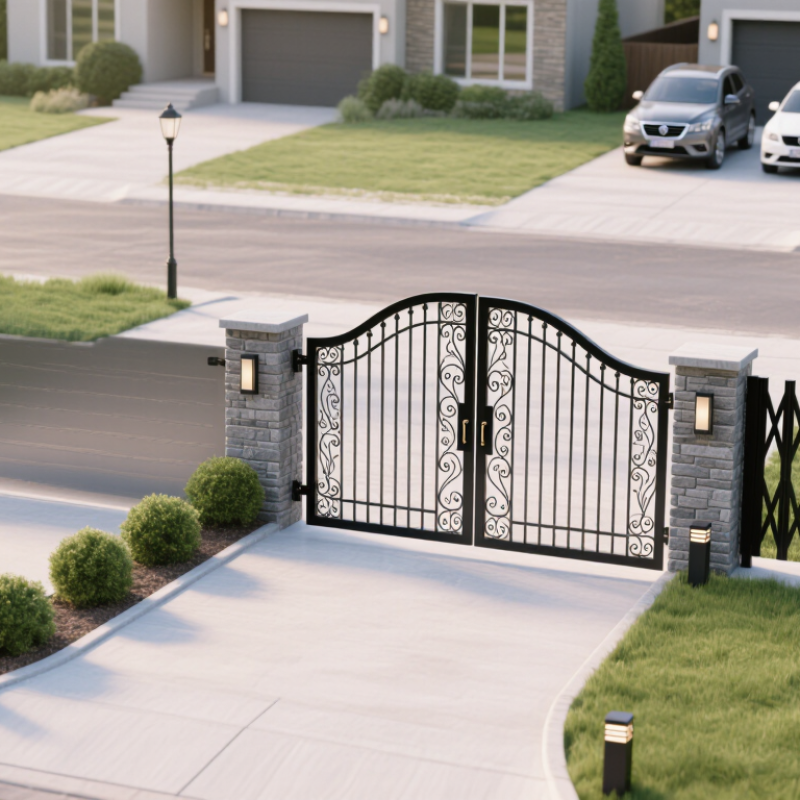
How Automatic Gates Work and What Buyers Should Know
Automatic gates combine a motor, control board, sensors, and access device. When a user enters a code or presses a remote, the control board activates the motor. The gate then moves along hinges, wheels, or a track. Safety sensors can stop movement when a vehicle, person, or object crosses the opening. The system may also include manual release hardware for power failures. This detail is easy to overlook.
Sliding gates suit wide driveways and move sideways beside a fence. Swing gates open inward or outward, like a large door, but need clear space. Barrier gates work well for controlled vehicle entrances, while overhead gates can suit compact commercial areas. Each type has weaknesses. Tracks collect gravel. Hinges can sag. Sensors may need adjustment after harsh weather. A professional site assessment should check slope, gate weight, drainage, wiring routes, and daily traffic.
Tips: Measure the opening carefully. Ask about motor capacity, sensor placement, emergency release, and maintenance access. Choose controls that match your routine, such as keypads, remotes, or monitored entry systems. Request a written installation plan and safety testing record. Do not judge a gate by appearance alone. A quiet motor is useful, but dependable stopping performance matters more. Buyers should also confirm local installation requirements before work begins.
What Are the Top Types of Automatic Gates for Buyers? — How Automatic Gates Work and What Buyers Should Know
| Gate Type | How It Opens | Typical Driveway Requirement | Space Efficiency | Typical Opening Speed | Main Advantages | Common Limitations | Best-Suited Applications | Maintenance Considerations | Buyer Assessment |
|---|---|---|---|---|---|---|---|---|---|
| Swing Gate | One or two gate leaves rotate inward or outward around side hinges using underground or surface-mounted operators. | Requires a clear arc approximately equal to the gate-leaf depth on the opening side. | Moderate | Approximately 12–20 seconds for a full opening, depending on leaf size, weight, and actuator type. | Traditional appearance; generally quiet; suitable for many residential entrances; can work with uneven or decorative gate designs. | Needs sufficient clearance for parked vehicles, slopes, landscaping, and pedestrians; wind can place additional load on the gate. | Residential driveways, low- to medium-traffic private entrances, and properties where appearance is important. | Hinges, stops, hingeside posts, and actuator mounting points should be inspected regularly. Drainage is important for underground operators. | Choose when the property has enough opening clearance and a classic gate layout is preferred. |
| Sliding Gate | A motor drives the gate horizontally along a ground track or a cantilever system beside the entrance. | Requires a side run generally longer than the gate opening, plus room for the motor and safety clearance. | High | Approximately 10–18 seconds for a full opening, depending on gate length and motor settings. | Does not swing into the driveway; performs well on sloped entrances; suitable for wider or heavier gates. | Needs unobstructed side space; ground-track systems can collect dirt, gravel, snow, or ice; cantilever systems may cost more. | Commercial entrances, apartment driveways, industrial sites, and residential properties with limited front-to-back clearance. | Keep tracks clean and aligned, check rollers or cantilever components, and inspect rack-and-pinion engagement and safety sensors. | Often the most practical choice when swing clearance is unavailable or the gate is wide and heavy. |
| Bi-Folding Gate | Two hinged sections fold toward each other as the operator opens the gate, reducing the travel distance of each leaf. | Requires less depth than a conventional swing gate but still needs appropriate side and hinge clearance. | High | Approximately 8–15 seconds for a full opening, depending on the folding geometry and operator. | Opens quickly; reduces driveway intrusion; useful where traffic flow or limited setback is a concern. | Has more hinges, linkages, and moving components; installation alignment is critical; usable opening width may be affected by the folding design. | Busy residential entrances, controlled-access facilities, and sites requiring a relatively fast opening cycle. | Inspect intermediate hinges, folding arms, stops, cables or linkages, and synchronization between the two sections. | Consider when faster operation and reduced swing depth justify higher mechanical complexity. |
| Vertical-Lift Gate | The gate panel rises vertically, usually guided by posts and lifted by a counterbalanced or powered mechanism. | Requires overhead clearance above the opening and adequate structural support for the lifting assembly. | High | Approximately 10–20 seconds for a full opening, depending on gate height and lifting system. | Uses minimal ground space; useful where side and swing areas are restricted; can provide a strong physical barrier. | Requires substantial overhead clearance and structural engineering; installation and servicing can be more specialized. | Industrial facilities, secure sites, and entrances where ground-level space is severely limited. | Inspect lifting cables or chains, guides, counterbalance components, structural anchors, and emergency-release equipment. | Use only after confirming overhead clearance, structural capacity, and professional safety requirements. |
| Vertical-Pivot Gate | The entire gate leaf pivots upward around a vertical axis, often lifting clear of the ground and rotating beside or above the opening. | Requires dedicated clearance for the rotating panel and a strong structural frame. | Moderate | Approximately 10–20 seconds for a full opening, depending on the panel size and operator. | Can operate where conventional swing or sliding movement is difficult; keeps the gate clear of uneven ground. | Requires careful structural design; large panels can create significant wind loads; uncommon components may be harder to service. | Specialized residential, commercial, or industrial entrances with unusual site constraints. | Inspect pivot bearings, structural supports, balance mechanisms, limit settings, and emergency-release systems. | Best treated as a site-specific solution rather than a standard replacement for swing or sliding gates. |
| Barrier Arm Gate | A motor raises and lowers a lightweight horizontal arm to control vehicle access rather than fully closing an opening. | Requires a compact equipment base and a clear lane beneath the arm; no full gate panel is needed. | Very High | Approximately 1.5–6 seconds for the arm to raise or lower, depending on the system and arm length. | Fast vehicle processing; compact footprint; easy visual access; well suited to frequent opening cycles. | Provides traffic control rather than a solid security barrier; vulnerable to impact; may not restrict pedestrians effectively. | Parking facilities, toll or access-control lanes, office entrances, and private roads with frequent vehicle movement. | Check arm balance, pivots, reflective markings, loop detectors, photocells, and impact-damage protection. | Select when vehicle throughput matters more than creating a full-height or solid physical barrier. |
| Telescopic Sliding Gate | Multiple interlinked gate sections slide and overlap, allowing a wide opening within a shorter side run. | Requires side space, but usually less than a single-panel sliding gate of the same opening width. | Very High | Approximately 12–25 seconds for a full opening, depending on the number and weight of sections. | Maximizes usable opening width in restricted side areas; suitable for wide entrances with limited available run-back space. | More rollers, guides, cables, and synchronization components can increase installation cost and maintenance needs. | Commercial, industrial, logistics, and multi-vehicle entrances with constrained side clearance. | Keep all tracks and guides clean; check section alignment, drive cables or chains, rollers, and synchronization controls. | Worth considering when a standard sliding gate cannot fit the available side run. |
| Automated Pedestrian Gate | A powered swing, sliding, or turnstile-style mechanism opens after an authorized credential, request-to-exit signal, or sensor input. | Requires a pedestrian passage with controlled clearance and suitable access-control equipment. | High | Approximately 2–8 seconds, depending on the gate design and safety configuration. | Separates pedestrian and vehicle access; can integrate with card readers, keypads, intercoms, and exit devices. | Must prevent entrapment and unsafe closing; accessibility, emergency egress, and local building requirements may apply. | Residential complexes, offices, schools, healthcare facilities, and controlled pedestrian entrances. | Test sensors, emergency release, access credentials, hinges or rollers, closing force, and backup power where installed. | Choose when pedestrian access needs to be managed independently from vehicle access. |