Top Confectionery Machines You Need to Know About?
In the world of sweets, confectionery machines play a crucial role. These devices help transform ingredients into delightful treats. From chocolate to candy, each machine has a unique purpose that enhances the production process.
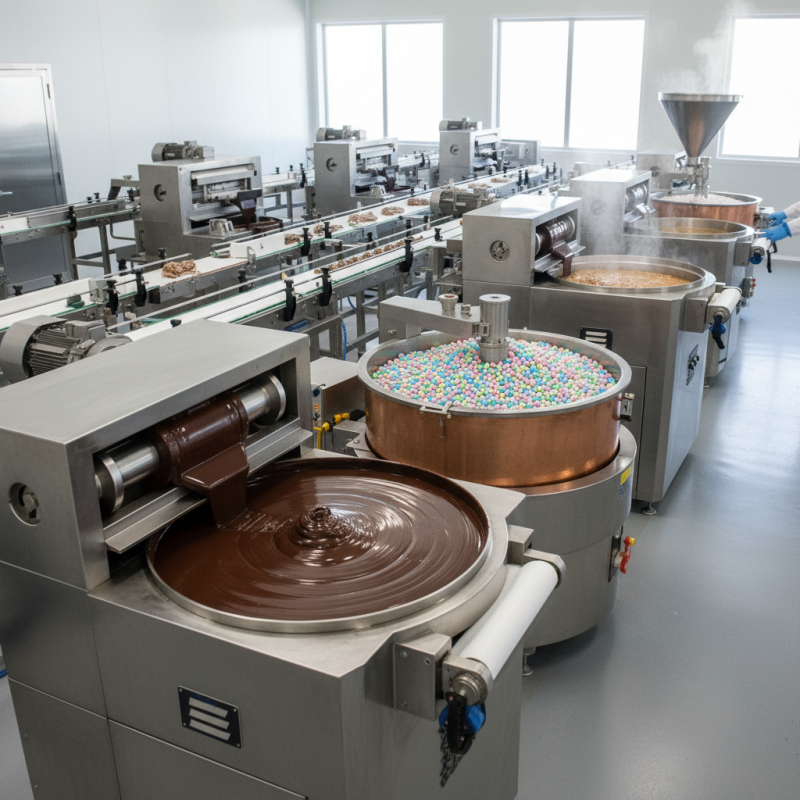
Understanding these machines can seem overwhelming. There are various types, each designed for specific tasks. Common models include chocolate temperers, candy coaters, and sugar boiling machines. They differ in complexity and function, making it essential to know their capabilities.
Despite their efficiency, many overlook maintenance. Neglecting regular checks can lead to production issues. It's vital to invest time in understanding how each machine operates. This ensures a smoother workflow and better quality products. The journey through the realm of confectionery machines can be enriching, yet demands careful attention.
Top Confectionery Machines for Efficient Production in 2023
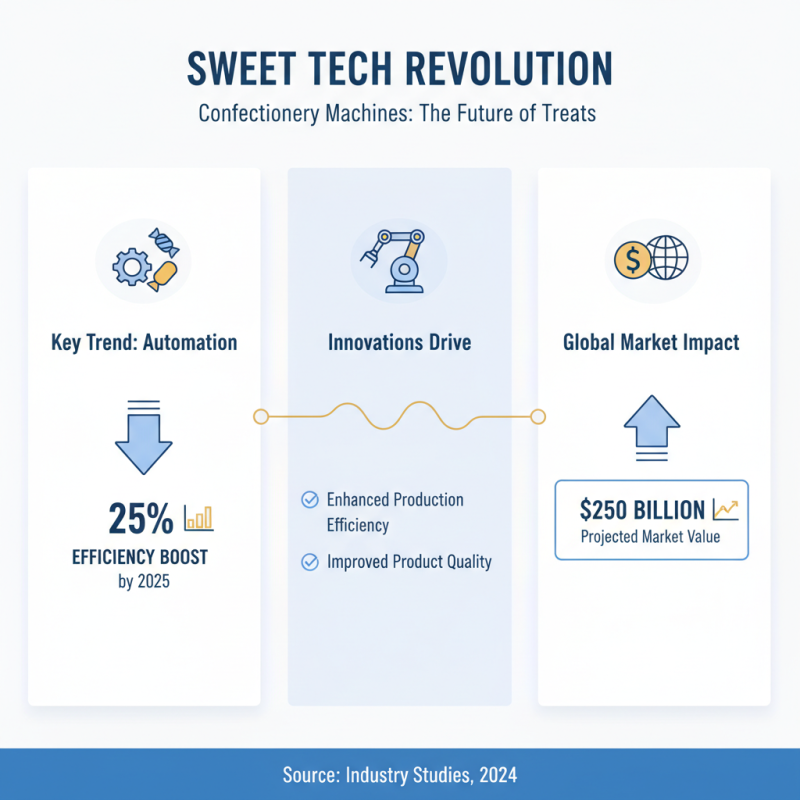
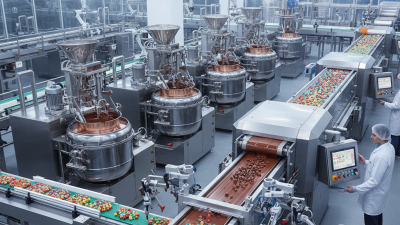
In 2023, efficient production in the confectionery industry hinges on dedicated machinery. An industry report suggests that automated machines can boost production efficiency by up to 30%. This is vital as consumer demand grows rapidly; precision in production is now more critical than ever.
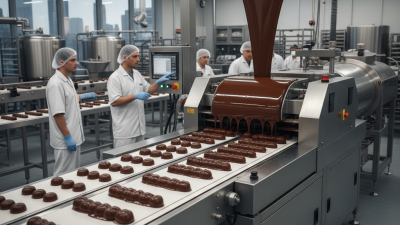
Consider the chocolate tempering machines. They offer consistent results. Tempering is key for a smooth finish and quality. However, improper settings can lead to poor quality. Striking a balance between speed and quality is an ongoing challenge. Investing in high-performance equipment is crucial, yet many manufacturers hesitate.
Wrapping and packaging machines also play a pivotal role. Customization of packaging is essential to attract consumers. Yet, this often increases complexity. According to recent statistics, improper packaging techniques can lead to a 15% waste rate in products. This highlights the need for training operators to mitigate such issues. Balancing innovation with practicality remains a significant concern for the industry.
Top Confectionery Machines You Need to Know About
| Machine Type |
Capacity (kg/h) |
Power (kW) |
Features |
| Chocolate Tempering Machine |
50 |
5 |
Automatic temperature control, digital display |
| Candy Coating Machine |
30 |
4 |
Stainless steel construction, adjustable speed |
| Enrobing Machine |
100 |
8 |
Customizable coatings, energy-efficient |
| Confectionery Moulding Machine |
200 |
10 |
Easy-to-change moulds, high precision |
| Pumping Machine |
25 |
3 |
Variable speed control, hygienic design |
Key Features of High-Performance Chocolate Molding Machines
When exploring the world of chocolate molding machines, certain features stand out. High-performance machines often include precise temperature controls. This allows for consistent melting and cooling of chocolate. Additionally, an advanced heating system can enhance efficiency. Machines may also feature removable molds for easy cleaning.
Another important aspect is automation. Automated systems reduce labor costs and improve production speed. However, implementing automation can lead to challenges. The initial investment may be high, and training staff could take time. Optimal production relies on balancing efficiency and quality.
Some machines have unique mold designs. This feature can create innovative shapes and sizes, enhancing market appeal. However, specialized molds can be costly. It's essential to assess the return on investment. Over time, manufacturers will see the results of these decisions.
The Role of Depositors in Modern Confectionery Manufacturing
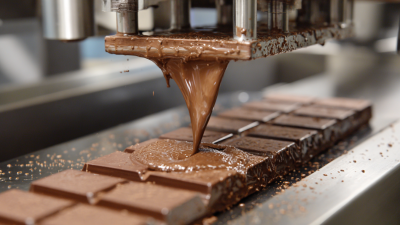
Depositors play a crucial role in modern confectionery manufacturing. These machines enable precise and consistent filling of products. They are essential for creating filled chocolates, gummies, and a range of other confections. According to industry reports, the global confectionery market is projected to reach $300 billion by 2026. This growth is driving demand for advanced depositor technology.
Using depositors can significantly enhance production efficiency. Insufficient calibration can lead to inconsistencies. Manufacturers must regularly maintain these machines. A well-calibrated depositor ensures product uniformity and quality. It's important to note that challenges often arise with older models. They may not provide the same precision as newer technologies.
Tips for improving depositor performance include routine testing and investing in staff training. Operators should thoroughly understand the machine's nuances. Regularly check and adjust settings to achieve optimal results. It's vital to experiment with different recipes for unique textures and flavors. This exploration can reveal potential improvements in production. Enhanced depositor efficiency can lead to increased consumer satisfaction.
Impact of Wrappers and Packaging Machines on Product Shelf Life
Proper packaging plays a vital role in the shelf life of confectionery products. The right wrappers and packaging machines can significantly extend freshness. Confectionery items, such as chocolates and candies, are sensitive to environmental factors like moisture and air. Advanced packaging methods can create barriers against these elements, prolonging product integrity.
Many confectionery manufacturers overlook the impact of their packaging choices. Poor quality wrappers can lead to quicker spoilage. In contrast, investing in high-quality, sealing technologies can yield better results. This is where automated packaging machines come into play. They ensure consistent application of protective measures, reducing human error significantly.
However, there's always room for improvement in packaging efficiency. Some machines may slow down production lines. Others might create excess waste due to design flaws. Manufacturers must continuously evaluate their packaging processes. Regularly assessing the balance between speed, cost, and product quality can help find the most efficient solutions.