What is a Galvanized Coil and Its Applications?
Galvanized Coil is a vital component in various industries today. It refers to steel that has been coated with zinc to prevent corrosion. According to a report by MarketsandMarkets, the global galvanized steel market is projected to reach USD 211 billion by 2025. This growth reflects the increasing demand for durable materials in construction and automotive sectors.
Expert John Smith, a leading analyst in the galvanized steel industry, states, "The versatility of Galvanized Coil makes it indispensable for modern engineering." This material is widely used for roofs, siding, and automotive parts. It offers excellent resistance to rust and wear, which is crucial in harsh environments. However, there are considerations to keep in mind. The production process can sometimes result in uneven coating thickness, leading to potential weaknesses in performance.
The applications of Galvanized Coil are extensive, yet not without challenges. Users must remain informed about quality control and sourcing methods. As industries evolve, so do the standards for galvanized materials. Continuous improvements in technology will redefine the capabilities and performance of Galvanized Coils in the future.
Definition and Characteristics of Galvanized Coils
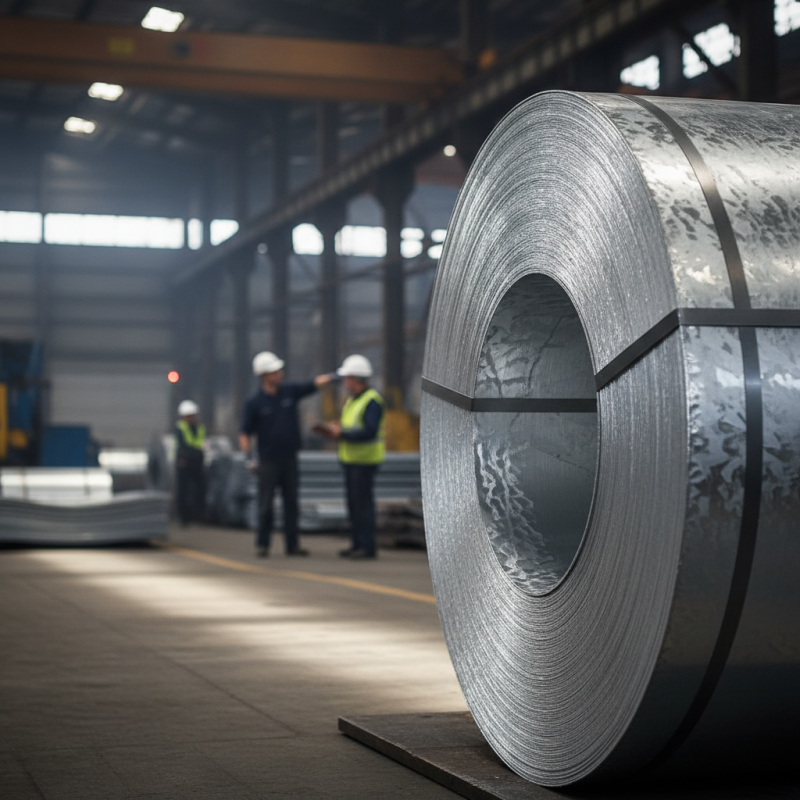
Galvanized coils are steel strips coated with a layer of zinc. This coating protects the steel from rust and corrosion. The process of galvanization improves durability and lifespan. It is a widely used method for enhancing the performance of steel products.
One key characteristic of galvanized coils is their resistance to weathering. They can withstand harsh environments without degrading quickly. This makes them ideal for outdoor applications. Additionally, they have a shiny appearance that can be appealing. However, the zinc coating can wear off over time, especially in high-stress conditions. This deterioration is an important factor to consider when selecting materials.
Galvanized coils are utilized in various industries. They are common in construction and automotive manufacturing. The coils can be easily shaped and cut, allowing for versatile applications. In some cases, users may find the need for additional protective measures. While galvanized coils offer considerable benefits, regular inspections are necessary to ensure long-term reliability.
Applications of Galvanized Coils
This chart illustrates the various applications of galvanized coils in different industries based on their usage percentage. Galvanized coils are widely recognized for their corrosion resistance, making them ideal for a range of applications.
Manufacturing Process of Galvanized Coils
Galvanized coils are essential in various industries due to their corrosion resistance. The manufacturing process involves coating steel sheets with a layer of zinc. This process protects the steel from rusting. In 2020, the global demand for galvanized steel reached approximately 180 million metric tons. This number highlights the increasing reliance on galvanized products.
The production of galvanized coils typically employs the hot-dip galvanizing method. In this method, steel coils are immersed in molten zinc. The temperature of the zinc is around 450 degrees Celsius. This immersion creates a strong bond between the zinc and the steel surface. However, the quality can vary based on the process and conditions. Often, too much zinc can lead to brittleness in the final product.
Another approach is electro-galvanizing, where zinc is deposited onto steel using electrical current. This method allows for better control over the zinc layer's thickness. Still, it generally provides less corrosion protection than hot-dip galvanizing. Industry reports noted that while galvanized coils are ideal for construction and automotive sectors, there are ongoing challenges with production waste and environmental impacts. Addressing these issues remains crucial for sustainable development in the galvanized steel industry.
Common Applications of Galvanized Coils in Various Industries
Galvanized coils are widely used across various industries due to their corrosion-resistant properties. According to recent market research, the global galvanized steel market was valued at approximately $115 billion in 2022 and is projected to grow. This growth reflects a higher demand for long-lasting and rust-resistant materials.
In construction, galvanized coils play a vital role. They are often used in roofing, siding, and structural components. Their ability to withstand harsh weather conditions makes them a preferred choice. Data from the Steel Manufacturers Association shows that about 60% of new residential buildings utilize galvanized roofing materials. This material ensures durability but may face challenges related to environmental concerns.
The automotive industry also relies heavily on galvanized coils. They provide strength and lightweight solutions for vehicle manufacturing. Industry reports indicate that vehicles made with galvanized steel can increase lifespan by 15-20%. This advantage drives the market but missteps in sourcing and recycling practices need attention. Sustainable practices in this sector are crucial for future growth. Balancing performance with environmental impact remains a key topic for industry leaders.
Advantages of Using Galvanized Coils Over Non-Galvanized Materials
Galvanized coils are steel sheets coated with zinc to protect against rust. Many industries prefer these coils for several compelling reasons. One main advantage is durability. The zinc coating acts as a barrier against moisture, which minimizes corrosion. This advantage leads to a longer lifespan for products made with galvanized coils.
Another benefit is cost-effectiveness. While non-galvanized materials may be cheaper upfront, they require more maintenance. Over time, ongoing repairs and replacements can add up. Galvanized coils, on the other hand, might incur a higher initial cost, but save money long-term.
However, not every situation calls for galvanized materials. In some cases, the manufacturing process might be more complex. This can lead to increased labor costs. Companies need to weigh these factors carefully. Sometimes, simpler solutions work just as well. Ultimately, the decision should be based on specific project needs. Balancing initial costs with end-use durability is key.
Maintenance and Care for Galvanized Coils in Construction
Galvanized coils are widely used in construction due to their durability and resistance to corrosion. However, proper maintenance is crucial for ensuring their longevity. Regular inspections can help identify early signs of wear or damage. Look for rust spots or peeling paint, as these can indicate underlying issues.
Tips for maintenance include keeping the surface clean. Dust and debris can hold moisture against the metal, leading to corrosion. Use a soft cloth or a gentle brush to remove dirt. Avoid using abrasive materials, as they can scratch the galvanized finish.
It’s also essential to store galvanized coils properly. Keep them in a dry, well-ventilated area. Stacking coils directly on the ground can lead to dampness. Instead, place them on pallets, allowing air circulation underneath. Consider creating a checklist for regular maintenance tasks to keep track of what needs attention.
