Why Are Confectionery Machines Essential for Candy Production?
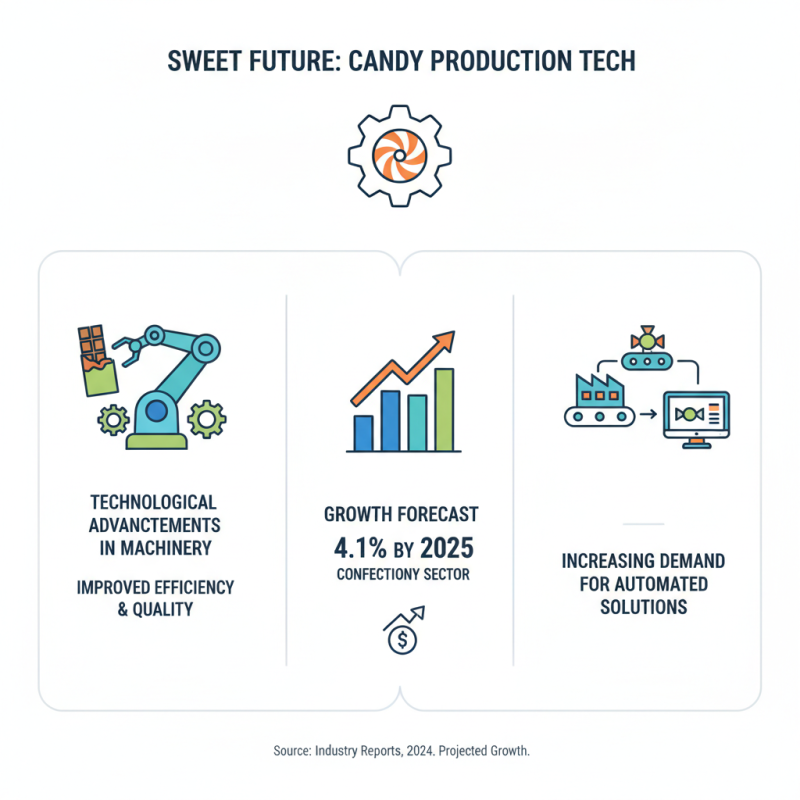
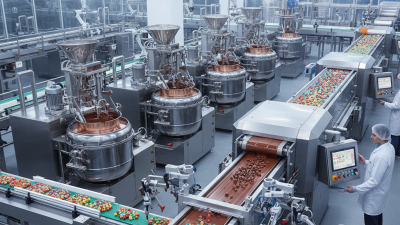
The candy production industry relies heavily on confectionery machines. These machines ensure efficiency, consistency, and quality in making various sweets. According to a report by Research and Markets, the global market for confectionery machines is expected to grow at a CAGR of 5.2% from 2020 to 2026. This growth reflects the rising demand for diverse candy products.
Expert in the confectionery field, Dr. Emily Chen, emphasizes, “Incorporating advanced confectionery machines can significantly impact production output.” Her insight highlights the importance of innovation in this sector. Machines like chocolate molding, candy coating, and caramel cooking systems are essential for businesses aiming to maximize production while maintaining high standards.
However, adopting these machines is not without challenges. Some manufacturers might struggle with the initial investment. Training staff to operate sophisticated machinery also poses potential hurdles. A careful assessment of these factors is crucial for long-term success in the confectionery industry.
The Role of Confectionery Machines in Modern Candy Production
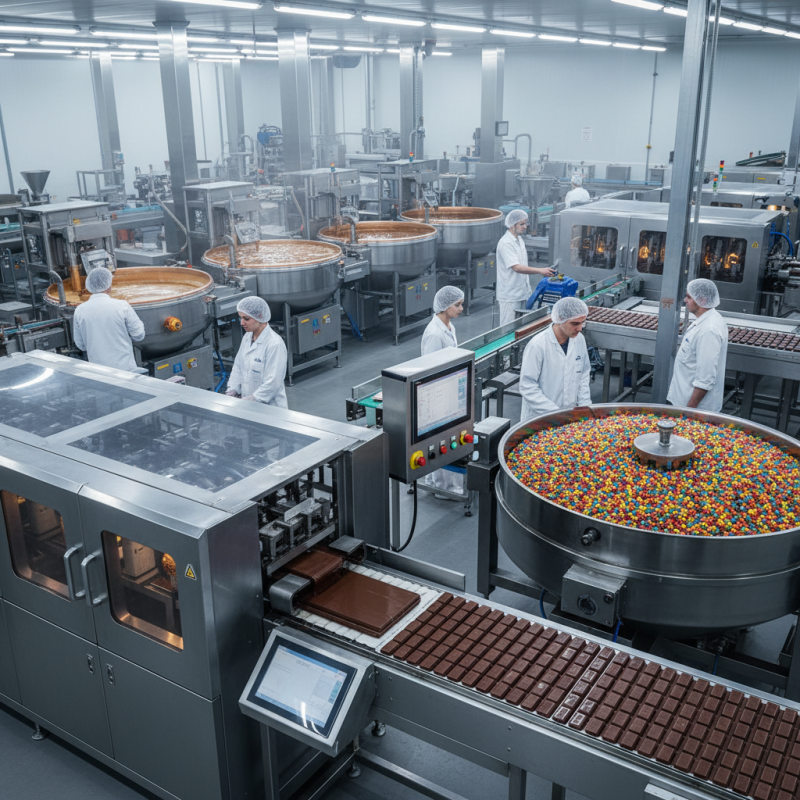
In modern candy production, confectionery machines play a critical role. These machines automate intricate processes, making production more efficient. According to industry reports, automation can boost production rates by up to 30%. This efficiency helps meet the growing consumer demand for novelty candies and seasonal treats.
Candy production involves various processes like mixing, cooking, and molding. Each step requires precision. Confectionery machines ensure uniformity and consistency. This reduces human errors and waste. Interestingly, a survey revealed that over 60% of candy manufacturers invest in newer technologies for improved output. However, integrating advanced machinery can be challenging. Not all manufacturers can adapt quickly to new systems.
Furthermore, the reliance on machines means less focus on traditional methods. Some artisans worry about losing craft skills in candy making. Despite the advanced technology, quality control remains paramount. Machines must be regularly calibrated to ensure the best flavor and texture. The best candies often rely on a perfect balance between technology and tradition.
Importance of Confectionery Machines in Candy Production
Types of Confectionery Machines and Their Functions
Confectionery machines play a critical role in candy production. The right equipment enhances efficiency and product quality. Different types of machines serve unique functions in the process.
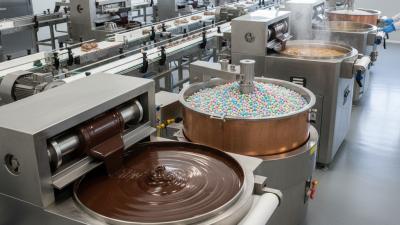
Mixers blend ingredients uniformly. They ensure that sugar, flavors, and colors combine well. This is vital for consistent taste. Moreover, cooking kettles control temperature precisely. They help in caramelization and melting ingredients. Another essential machine is the depositor. It shapes candies by depositing the mixture into molds. This technology has advanced significantly. Reports show that automated depositor systems can increase production speed by up to 40%.
Packaging machines follow the production phase. They are crucial for protecting candy during storage. Ideally, packaging is both functional and appealing. It attracts consumers while maintaining freshness. Candy production facilities should invest in reliable machinery to ensure profitability.
Tips: Choose machines that offer versatility. This flexibility allows for different candy types. Regular maintenance is key to avoid unexpected breakdowns. Lastly, train staff thoroughly on equipment use. It minimizes errors and enhances output quality.
Benefits of Automation in Candy Manufacturing Processes
Automation plays a crucial role in candy manufacturing. It streamlines various processes, making production more efficient. Confectionery machines ensure consistency in quality. They mix ingredients uniformly, which is essential for flavor. Automation can also reduce waste, which is often a concern in food production.
Moreover, these machines can operate continuously. This capability increases output significantly. Operators can focus on monitoring instead of manual labor. However, frequent maintenance is necessary to avoid breakdowns. Machines can malfunction, causing disruptions. This aspect requires careful attention to detail.
Additionally, automation allows for precise control over temperatures and timings. These factors are critical in candy making. Yet, not all processes can be automated effectively. Some traditional techniques still hold value. Balancing between automation and craftsmanship can be tricky. It's a path that needs continuous evaluation and adjustment.
Why Are Confectionery Machines Essential for Candy Production? - Benefits of Automation in Candy Manufacturing Processes
| Dimension |
Benefits |
Impact on Production |
| Speed |
Increases production rate |
Higher output in less time |
| Consistency |
Uniformity in product size and quality |
Reduced waste and rework |
| Labor Costs |
Reduces dependency on manual labor |
Lower operational costs |
| Safety |
Minimizes worker exposure to hazards |
Improved workplace safety environment |
| Flexibility |
Easily adapts to different recipes |
Ability to produce varied candies |
| Data Tracking |
Provides real-time data and monitoring |
Enhanced decision-making capabilities |
Quality Control and Consistency through Machine Use
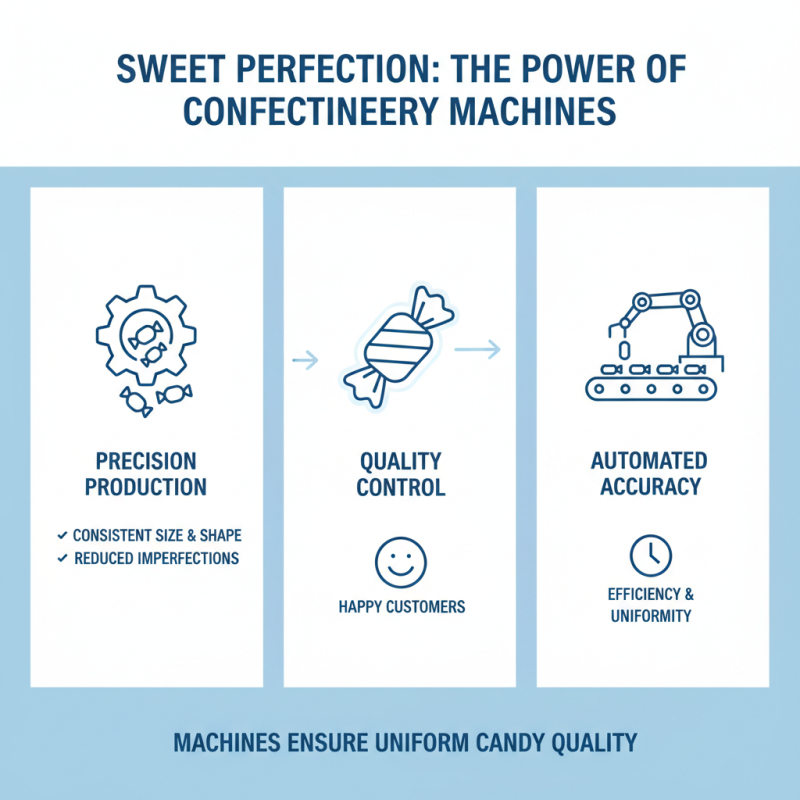
In the world of candy production, quality control is paramount. Confectionery machines play a crucial role in ensuring that each candy piece is made with precision. These machines help achieve consistent size and shape, which is vital for consumer satisfaction. When candies vary too much in appearance, customers may feel disappointed. That's where machines shine—they automate processes that used to rely solely on human skill.
However, not all machines are perfect. Sometimes, the calibration can be off, resulting in batches that don't meet quality standards. This inconsistency can pose a problem for manufacturers. They must frequently assess the machines and adjust settings. Regular maintenance is essential to avoid these pitfalls. Over time, machines can wear out or become misaligned, leading to unexpected issues.
Despite these challenges, the benefits of using machines are evident. Automation reduces labor costs and improves efficiency. Workers can focus on other tasks, like packaging or quality assessments. Yet, the reliance on technology raises questions. Are we becoming overly dependent on machines? Striking a balance between human touch and automation is a continuous journey in the confectionery industry.