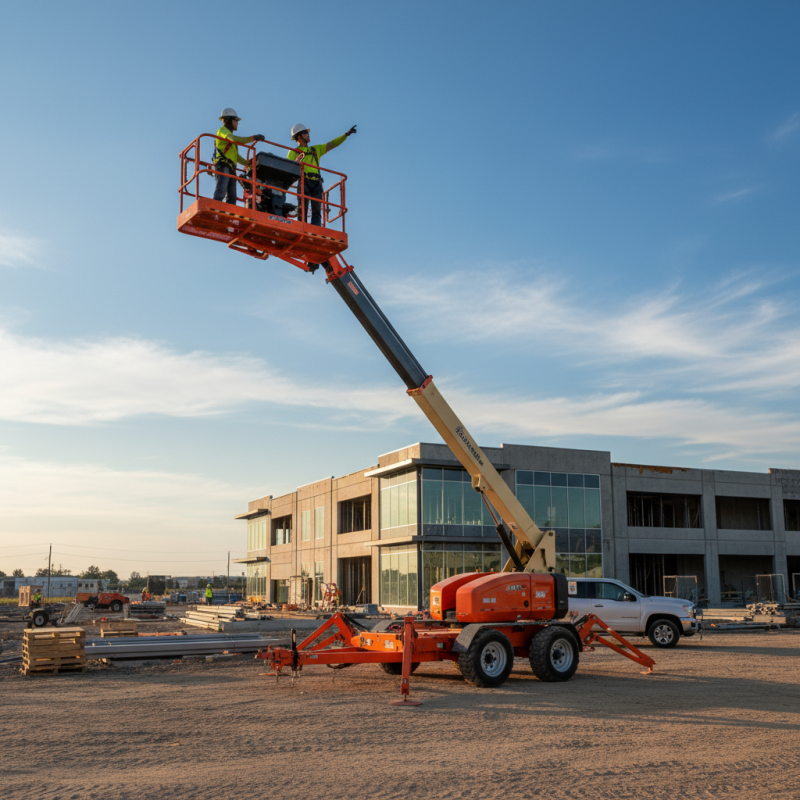
How to Choose the Right Towable Boom Lift for Your Project?
Choosing the right Towable Boom Lift for your project is crucial. It can significantly impact efficiency and safety. According to industry reports, over 70% of construction professionals face challenges in selecting the proper equipment. Experts emphasize the importance of understanding your specific project needs.
“Choosing the right Towable Boom Lift can make or break a project,” says John Smith, a leading expert in aerial work platforms. His insights highlight that not all lifts are created equal. Factors like lift height, platform capacity, and terrain play vital roles.
Many users often overlook key specifications when making a decision. This leads to equipment mismatches and safety risks. When evaluating options, think about the job site conditions. Reflecting on your specific requirements will lead to better choices. Remember, a well-chosen Towable Boom Lift boosts productivity and keeps costs in check.
Understanding Towable Boom Lifts and Their Applications
Towable boom lifts are versatile machines used in various applications. They offer mobility and height access, making them ideal for construction, maintenance, and tree trimming. Understanding their features is crucial for maximizing their effectiveness.
When selecting a towable boom lift, consider the project’s specific needs. Think about the height required. Some projects may only need a lift for a few feet. Others may demand more than 50 feet. Assessing the height can save time and resources.
**Tips:** Always check the terrain. Uneven or soft ground can affect stability. Ensure the lift can be towed by your vehicle. Additionally, familiarize yourself with the operational controls before use. This knowledge can prevent accidents.
The weight capacity is another vital factor. Lifts come with varying load limits. You don't want to risk overloading. It's crucial to calculate the weight of tools and personnel. Proper evaluation can enhance safety and performance.
Key Factors to Consider When Selecting a Towable Boom Lift
When choosing a towable boom lift, several key factors must be taken into account. Weight capacity is critical. Most models can handle between 350 to 500 pounds. This limit includes the operator and equipment. A lift with insufficient capacity can lead to accidents. It's essential to assess the specific needs of your project.
Another important factor is working height. Towable boom lifts can reach heights of 30 to 50 feet. If a project requires higher access, you'll need to evaluate your options carefully. The right height can enhance productivity. In fact, research shows that increased access can improve efficiency by 20%. Also consider the terrain. Some lifts are better suited for rough terrains than others. Civil engineering reports suggest that choosing the wrong lift can waste time and resources.
Safety features should not be overlooked. Look for lifts with stabilizers and emergency shut-off systems. These features can significantly reduce risks during operation. Additionally, it's wise to review maintenance practices. A lift that requires frequent repairs may not be reliable for long-term projects. Understanding these factors will help you make a more informed decision for your specific needs.
Evaluating Lift Height and Reach Requirements for Your Project
When selecting a towable boom lift, understanding lift height and reach requirements is crucial. Projects vary greatly in their demands. For instance, a construction site may require a maximum lift height of 60 feet to access upper floors. According to industry data, 30% of accidents occur from improper lift height selection. Ensuring you have the right specifications can reduce risks significantly.
Evaluate your project’s unique needs. Are you working indoors or outdoors? Indoor projects often require narrower lifts with greater vertical reach. Outdoor projects may prioritize maximum height and extended reach for various tasks. Tip: Always consider environmental variables like wind and uneven ground, which can affect lift stability.
In some cases, users underestimate their height needs. For example, a lift providing only 40 feet of reach may seem sufficient initially. However, the added height of scaffolding or rooftop structures can change requirements drastically. Always measure the total distance to work areas. Tip: Enlist a safety expert to assess risks before making a final selection. This practice can mitigate unforeseen challenges later.
Assessing Weight Capacity and Stability of Boom Lifts
When choosing a towable boom lift, assessing weight capacity and stability is crucial. Each project has unique demands, and understanding these factors can make a significant difference. Weight capacity determines how much the lift can safely carry. If a lift is overloaded, it becomes unstable. This can lead to accidents, causing serious injuries.
Stability is also essential. A lift needs a solid base, especially when extended. Wind speed and terrain can impact stability too. Consider whether the lift will be used on uneven ground or surfaces. Always check the manufacturer’s specifications for safety margins. Ignoring these details can lead to potential hazards.
Careful evaluation is key to ensuring that the chosen boom lift meets the project’s requirements. We tend to overlook the limits sometimes, thinking they don't apply to our situation. However, one small miscalculation can lead to significant consequences. Reflect on the weight limits and the lift's stability to make an informed choice.
Comparing Rental vs. Purchase Options for Towable Boom Lifts
When deciding between renting or purchasing a towable boom lift, there are several factors to consider. Rental options often provide flexibility. You can choose the right unit based on your project needs. Renting also reduces the upfront cost. This is especially beneficial for short-term projects. However, frequent rentals can add up. Over time, purchasing may save money.
Purchasing a boom lift offers long-term benefits. You own the equipment, which can be a valuable asset. It provides convenience for repeated projects. However, maintenance and storage can be challenging. This requires careful planning. Your budget may limit your options. Think about how often you'll use the lift. If it's just a few times a year, renting makes sense. But if it’s for ongoing tasks, ownership might be better.
Each option has its pros and cons. Consider project duration and frequency of use. These factors will shape your decision. Reflect on your financial situation too. Sometimes, rental agreements have hidden costs. Make sure to read the fine print. Analyze your project needs thoroughly. This will guide you toward a more informed choice.