How to Choose the Right Deburring Machine for Your Needs?
Choosing the right Deburring Machine can be a daunting task. With various options available, it's essential to consider specific needs. As industry expert John Smith states, "Investing in the right deburring machine can significantly enhance your production efficiency." This highlights the importance of making an informed choice.
When selecting a Deburring Machine, evaluate your materials and production volume. Different machines cater to different tasks. For instance, some are better suited for metals, while others excel at plastic. Understanding these nuances is crucial. User feedback often reveals issues with machine versatility and effectiveness. These reflections can guide better decisions.
Many businesses underestimate the significance of deburring. Incomplete deburring can lead to quality issues. This can damage reputation and profit margins. Investing time in selecting the right machine ensures better product outcomes. It’s a choice that affects not only the current workflow but future growth, too.
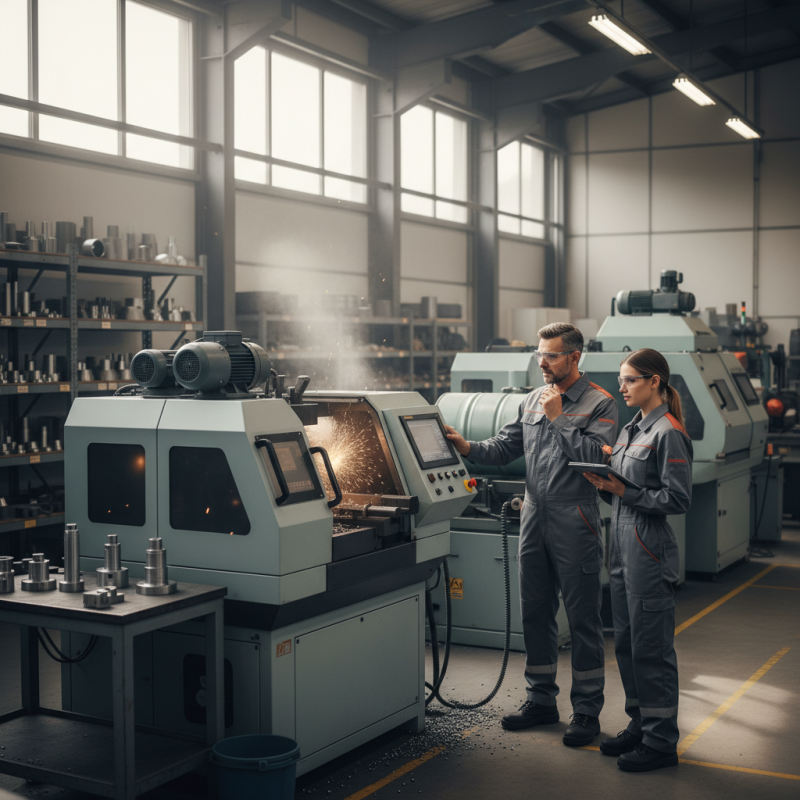
Identifying Your Deburring Needs and Requirements
Identifying your deburring needs is a crucial first step in selecting the right machine. Consider the materials you will be working with. Different metals and plastics require specific approaches to deburring. Understand the thickness and hardness of the materials, as these factors affect the type of machine suitable for your projects. Does your work involve intricate designs or large surfaces? Your choice should reflect these requirements.
Another important consideration is the volume of work you expect. High production rates might necessitate more advanced machines, while occasional use may only require simpler models. Think about your workspace as well. Is there enough room for larger machines? Noise levels and dust exposure can also impact your decision. Reflect on maintenance needs; some machines require more upkeep than others. Ultimately, the right choice balances your current needs with potential future requirements.
Understanding Different Types of Deburring Machines
Choosing the right deburring machine requires understanding the various types available. Each type has its distinct features suited for specific applications. For instance, mechanical deburring machines employ blades or brushes to smooth out rough edges. They are ideal for high-volume production. These machines excel in reducing the time spent on manual labor.
Another type is the vibratory deburring machine. It uses a combination of liquid and abrasive media to polish parts gently. This process is slower but offers a uniform finish. Vibratory machines are perfect for delicate items that require precision. Users often reflect on the trade-off between speed and quality when selecting this type.
Additionally, thermal deburring machines utilize heat and pressure to eliminate burrs effectively. This technology can handle complex geometries, but it's crucial to evaluate energy costs and turnaround times. Decisions often reflect a company’s priorities, whether speed or detail matters more. Balancing these factors can lead to better efficiency and product quality.
Evaluating Machine Features and Capabilities
When choosing a deburring machine, evaluating its features is crucial. Look for machines that offer different deburring methods. Some use brush techniques while others rely on abrasive wheels. Understanding the specific needs of your workpiece is essential. Different materials may require different approaches.
Consider the machine’s speed settings. Adjustable speeds allow for precision in various applications. For instance, harder materials need more aggressive settings. Yet, softer materials might require a gentler touch. Also, focus on the machine’s build quality. A sturdier frame ensures longevity and reliability during operation.
Lastly, pay attention to maintenance requirements. Some machines are straightforward to clean and service. Others may demand more time and effort. This could affect your workflow and productivity. Reflect on your operational capacity when making a choice. Balancing versatility with ease of use is key.
Considering Your Budget and Operating Costs
When choosing a deburring machine, your budget and operating costs play a crucial role. Assess your financial constraints before making a decision. A machine with a lower initial cost may mean higher maintenance and energy expenses later. A well-balanced approach will save you money in the long run.
Consider the energy consumption of the machine. More efficient models may cost more upfront but can drastically reduce your monthly utility bills. Additionally, factor in maintenance costs. A machine requiring frequent repairs can turn a sound investment into a financial burden. Research available options to find a machine that offers reliability without sacrificing performance.
Reflect on the unique needs of your operations. Sometimes, the cheapest option isn’t the best fit. If your projects demand heavy-duty work, spending more might be wise. However, analyze your usage patterns; if you require minimal deburring, a simple, less expensive machine could suffice. Balancing initial investment with potential ongoing costs is vital in making an informed decision.
Understanding the Costs of Deburring Machines
This bar chart displays the estimated annual operating costs associated with different types of deburring machines. As seen, the cost increases with the sophistication and capabilities of the machine, which is an important factor to consider when choosing the right deburring machine for your needs.
Assessing Maintenance and Support Options
When considering a deburring machine, maintenance and support are crucial elements. A well-maintained machine enhances productivity and extends the equipment's lifespan. Neglecting maintenance can lead to costly repairs and downtime. It's essential to assess the frequency of required upkeep. Some machines may demand daily attention, while others might only need weekly checks.
Support options also play a significant role. Reliable technical support ensures that any issues can be resolved quickly. Look for manufacturers that offer extensive resources, such as manuals and tutorials. Online forums can provide additional assistance and community support. Be cautious; not all companies are responsive. Waiting days for help can interrupt production timelines.
Moreover, consider the availability of replacement parts. Some machines use unique components that are harder to replace. If parts are difficult to source, repairs can take longer. This delay might impact your overall efficiency. Always inquire about the turnaround time for service and repairs with potential suppliers. The right support can transform a good machine into a great investment.
