How to Choose the Best Die Punching Machines for Your Needs?
Choosing the right Die Punching Machines can significantly impact your production efficiency. Renowned industry expert John Smith once said, "The right machine can elevate your manufacturing process." This highlights the importance of making an informed choice.
In a market filled with various options, knowing your specific needs is crucial. Die Punching Machines vary in capability, size, and technology. Each type serves different applications. Selecting the wrong machine can lead to inefficiencies. It’s vital to consider factors such as material compatibility, production volume, and operational ease.
Also, evaluating reviews and expert opinions helps in decision-making. However, it’s essential to question the reliability of these sources. Not all machines are created equal, and what works for one may not for another. Reflecting on your business requirements will guide you to the optimal choice. Ultimately, a thorough understanding of Die Punching Machines is essential for making a wise investment.
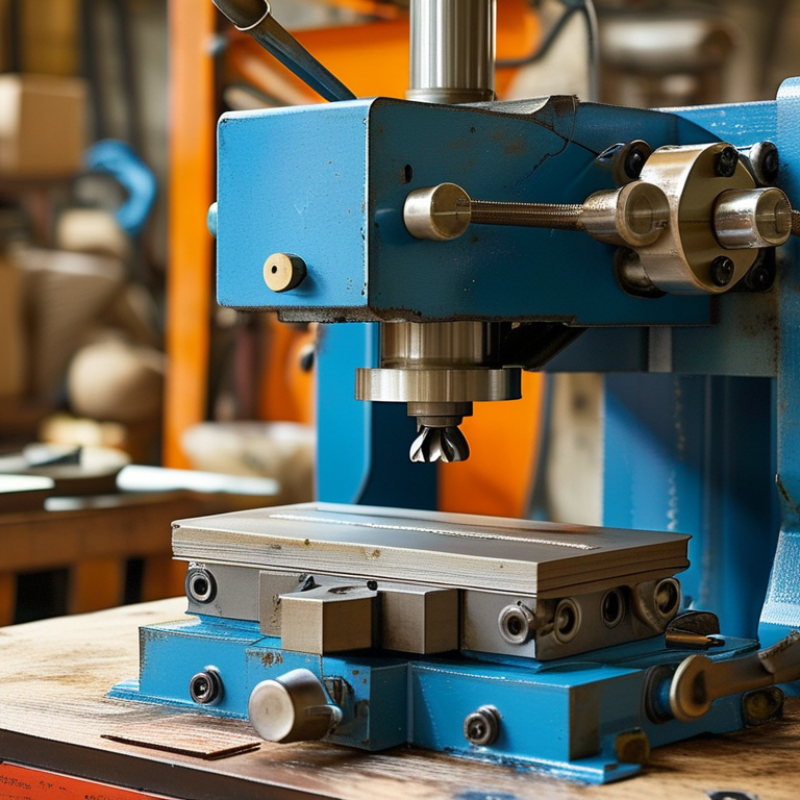
Understanding Die Punching Machines: Types and Functions
Die punching machines play a crucial role in various industries, including packaging and manufacturing. They specialize in creating precise shapes, patterns, or holes in materials like paper, plastic, and metal. Understanding the different types of die punching machines is essential for selecting the right one for specific needs.
There are typically two main categories: manual and automatic machines. Manual machines require more hands-on operation, which can be labor-intensive. They are suitable for smaller businesses with limited production needs. Automatic machines, on the other hand, offer speed and efficiency for larger volumes. They can streamline production and reduce labor costs. However, they may involve higher initial investments and complex setup requirements.
Choosing the right machine also depends on the materials being used. Some machines excel with softer materials, while others are designed for tougher substances. Lack of familiarity with machinery can lead to wrong choices, impacting overall productivity. Always evaluate the specifications and capabilities before making a decision. Balancing cost with efficiency can be tricky, requiring careful review to avoid future regrets.
Key Factors to Consider When Choosing a Die Punching Machine
Choosing the right die punching machine involves several critical considerations. One key factor is the machine’s capacity. Depending on the material thickness, different machines can accommodate specific workloads. For example, a report by the Material Handling Industry (MHI) indicates that 70% of manufacturers face challenges due to machine capacity mismatches. Understanding your operational needs can prevent these inefficiencies.
Another important aspect is the machine’s operational speed. A higher speed can significantly increase productivity, but it may also affect the quality. According to a study from the International Journal of Advanced Manufacturing Technology, machines operating at optimal speeds can improve production efficiency by 25%. Therefore, finding a balance between speed and quality is essential.
Additionally, consider the machine’s ease of maintenance. Trouble-free maintenance can reduce downtime and enhance productivity. However, many models require specific maintenance protocols, which can be a deterrent. The 2022 Machinery Maintenance Report revealed that improper maintenance contributes to 30% of machine breakdowns. Assess these factors carefully to ensure the machine you choose meets your long-term operational goals.
Evaluating the Quality and Durability of Die Punching Machines
When evaluating die punching machines, quality and durability should be top priorities. A solid machine can handle various materials without compromising performance. Look for machines made from high-grade steel that can withstand the rigors of frequent use. Durability is reflected in the longevity of the components, such as the cutting dies. These elements should remain sharp longer, which reduces the need for replacements.
Testing the machine’s capabilities is crucial. Try it with different materials to assess its efficiency. Consider how the machine performs under high-pressure conditions. Does it maintain precision? Are there any areas where it struggles? These insights can inform your choice. Reliability varies between options, often revealing lesser quality in cheaper models. Pay attention to user reviews that discuss real-world experiences.
Don’t overlook after-sales support. A reputable manufacturer should provide spare parts and assistance. Machines may fail over time, and having access to professional help is essential. Reflect on your long-term needs; sometimes, investing more upfront saves costs in the future. Balancing initial costs with quality choices is key to finding the right machine for your specific needs.
Cost Analysis: Budgeting for Die Punching Machines
When budgeting for die punching machines, understanding the costs involved is crucial. These machines range widely in price. They can cost from a few hundred dollars to several thousand. Factors influencing cost include functionality, size, and brand reputation. Always compare options before making a purchase.
Tips: Consider used equipment. It may save money without sacrificing quality. Additionally, think about maintenance costs. Regular upkeep protects your investment and ensures longevity.
Another essential factor is production volume. If your needs are modest, a lower-end model may suffice. However, high-volume production may necessitate a more sophisticated machine. Evaluate your current and future needs to avoid overspending.
Tips: Create a detailed plan. Outline your production goals and budget limits. This strategy can prevent impulse purchases and help you stay within financial constraints.
Cost Analysis of Die Punching Machines
Maintenance Tips for Maximizing the Longevity of Your Machine
Maintaining a die punching machine is crucial for its longevity and efficiency. Regularly checking the machine's alignment can prevent loss of precision. Misaligned dies can lead to wasted materials and increased operational costs. A study from the National Institute of Standards and Technology indicated that nearly 30% of machinery downtime is due to improper maintenance.
Lubrication plays a vital role in keeping your machine running smoothly. Use high-quality lubricants to minimize friction, which can wear down components over time. According to a report from the Society of Manufacturing Engineers, machines that undergo scheduled lubrication maintenance last up to 50% longer than those that don't. Remember to inspect all moving parts and adjust settings as needed.
Finally, keep a clean working environment. Dust and debris can infiltrate your machine, leading to possible malfunctions. A survey by the Maintenance Association showed that cleanliness can reduce equipment failure rates by up to 25%. Neglecting these practices may lead to significant efficiency drops and costly repairs. Establish a routine checklist to address these maintenance needs regularly.
