Why Choose a Sleeve Labeling Machine for Your Business?
In the competitive world of packaging, businesses seek efficient solutions to enhance their products' appeal. The sleeve labeling machine stands out in this landscape. According to industry expert Dr. Emily Reyes, “A sleeve labeling machine transforms how products connect with consumers.” This insight highlights its significance in modern packaging.
The sleeve labeling machine offers versatility for varying shapes and sizes. It ensures a snug fit while providing vibrant graphics. This method enhances brand visibility, crucial in crowded markets. Manufacturers must adapt to consumer preferences, and this technology leads the way.
However, implementing a sleeve labeling machine requires careful consideration. The initial investment may seem daunting, and not all machines fit every product line. Companies should evaluate their specific needs before making a decision. In a fast-paced market, reflection on these choices can define a brand's future.
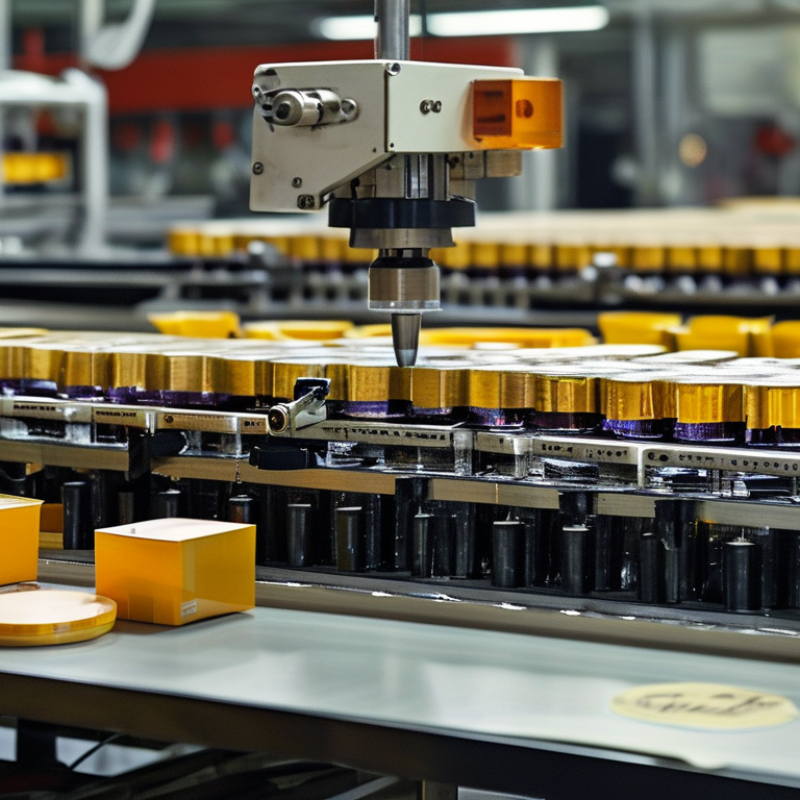
Advantages of Sleeve Labeling Machines in Modern Businesses
In modern businesses, sleeve labeling machines offer significant advantages that stand out. These machines enhance production efficiency, which is vital in a competitive market. According to a report by MarketsandMarkets, the sleeve labeling machine market is expected to grow at a CAGR of 5.2% through 2025. This indicates the increasing reliance on these systems across various industries.
One of the remarkable features of sleeve labeling machines is their adaptability. They are designed to label various container shapes and sizes. This versatility supports businesses in optimizing their packaging lines. For example, brands can switch between products without extensive downtime. A survey by the Packaging Machinery Manufacturers Institute (PMMI) revealed that 60% of companies reported reduced changeover time with sleeve labeling technology.
Additionally, sleeve labels can provide better coverage, enhancing product visibility. They allow for graphics that completely encase the container, making the product stand out on the shelf. However, businesses must carefully consider label materials. Not all materials work well with every container type, which can lead to issues. Thus, conducting thorough testing is essential to avoid costly mistakes.
Comparative Analysis: Sleeve Labels vs. Traditional Labels
When comparing sleeve labels to traditional labels, it’s essential to consider the benefits of each type. Sleeve labels are highly adaptable, fitting various container shapes and sizes seamlessly. A market report from Smithers indicates that sleeve labels account for approximately 34% of the global labeling market, showcasing their growing popularity. Their ability to provide full-body decoration makes products visually appealing. This can lead to higher consumer engagement and potentially increase sales.
On the other hand, traditional labels often lack flexibility. They are frequently limited to flat surfaces, which can restrict design possibilities. Additionally, adhesive issues can arise, particularly in challenging environments like cold or wet conditions. This can lead to label peeling or misalignment, which is not ideal for branding. According to a study by Packaging Strategies, nearly 30% of consumers report being drawn primarily by the label design. Thus, the visual impact of sleeve labels can not be overlooked.
While sleeve labels hold many advantages, they are not without drawbacks. Equipment costs for sleeve labeling machines can be significantly higher than for traditional solutions. Companies must weigh these costs against the potential for increased market share and brand recognition. Nonetheless, the transition to sleeve labeling could represent a strategic move to enhance competition and product appeal.
Key Features to Look for in Sleeve Labeling Machines
When considering a sleeve labeling machine, there are several key features that can enhance your business operations. The machine's speed is crucial. Many models can label up to 600 bottles per minute. This efficiency can significantly boost production rates, making it essential for high-demand environments. Look for machines that offer flexibility in label sizes. Some models accommodate various containers, such as jars and bottles, which can help manage your product range effectively.
Another important feature is the ease of operation. Integrated touch screens and user-friendly software make it simple for operators to adjust settings without extensive training. This can reduce downtime and improve overall productivity. According to a recent industry report, businesses utilizing advanced labeling technology experienced a 20% increase in operational efficiency. Such data emphasizes the importance of modern systems in keeping competitive.
Age-old challenges like label misalignment can lead to Waste. Choose machines with advanced alignment technology to reduce errors. Maintaining quality control is paramount. Regular maintenance schedules are essential for peak performance. Machines should also provide feedback mechanisms that alert operators to potential issues. It's worth considering these critical aspects to enhance productivity while ensuring reliability and efficiency in your labeling process.
Benefits of Sleeve Labeling Machines
Types of Products Best Suited for Sleeve Labeling
Sleeve labeling machines are ideal for various product types. They work best for bottles, jars, and containers of different shapes and sizes. The flexibility in labeling makes them suitable for food, beverages, personal care items, and household products.
According to a report by Smithers Pira, the global market for sleeve labels is expected to grow by 4.5% annually. This rise is largely driven by the beverage industry, where 75% of all label-use is in this sector. Businesses benefit from shrink sleeve labels' full coverage capability, enhancing shelf appeal and branding. Moreover, the ability to apply these labels to irregular shapes is a game-changer for many producers.
However, not all products are suited for sleeve labeling. Items with a high moisture content may pose challenges. Additionally, certain formulations in personal care products could affect adhesion. Companies must consider these factors carefully when investing in labeling technology. Balancing adaptability and product requirements can lead to more streamlined production and better market performance.
Cost Efficiency and Productivity Gains from Sleeve Labeling Machines
Sleeve labeling machines offer significant cost efficiency for businesses looking to streamline their packaging processes. The automation of labeling reduces labor costs substantially. Operators can manage multiple tasks, allowing businesses to allocate resources more effectively. This increased efficiency translates to lower overhead, as the machine requires less supervision compared to manual labeling systems.
Productivity gains are evident when implementing sleeve labeling technology. These machines can process a high volume of products in a short time frame. This can lead to faster turnaround times and enhanced production rates. However, it’s crucial to ensure that the chosen machine can accommodate various product shapes and sizes. Flexibility is key to maximizing productivity across different product lines. Additionally, regular maintenance is necessary to prevent downtime.
Investing in a sleeve labeling machine can bring measurable advantages. However, businesses should evaluate their specific needs carefully. Not every machine suits every product type. Thus, taking time for research and planning can prevent costly mistakes. Balancing cost efficiency with the right technology selection is vital for long-term success.
Why Choose a Sleeve Labeling Machine for Your Business? - Cost Efficiency and Productivity Gains from Sleeve Labeling Machines
| Feature | Benefits | Impact on Business |
| High Speed Application | Increased labeling output per hour | Improved production efficiency |
| Versatility | Compatible with various container shapes and sizes | Wider product range and market appeal |
| Reduced Labor Costs | Automated labeling reduces manual effort | Lower operational costs and higher profit margins |
| Minimal Changeover Time | Quick adjustments for different products | Faster response time to market demands |
| High Precision | Accurate label placement | Reduced waste and improved quality control |
| Cost-Effectiveness | Lower label cost per unit | Enhanced overall profitability |
