How to Choose the Best Potato Chips Machine for Your Needs?
Selecting the right potato chips machine can significantly enhance production efficiency. In recent years, the global market for snack processing equipment, including potato chips machines, has seen remarkable growth. According to a report by Allied Market Research, the snack processing market is projected to reach $59 billion by 2027. This impressive growth underscores the demand for reliable and efficient machines.
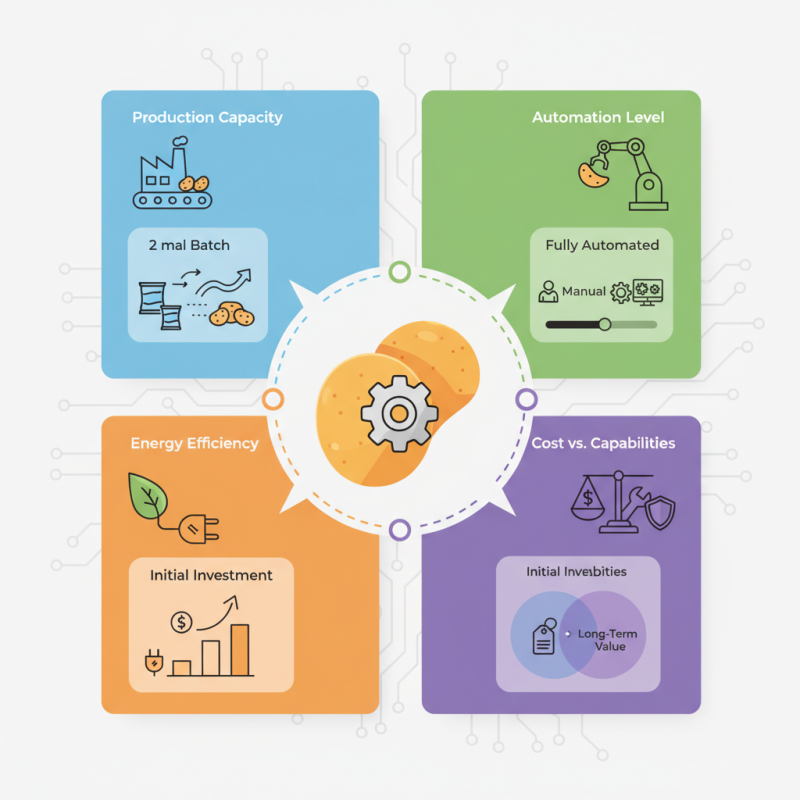
Investing in a potato chips machine requires careful consideration. The needs of a small business differ from those of a large-scale operation. Factors like production capacity, automation level, and energy efficiency are vital. However, many operators overlook their unique requirements. Selecting a machine that does not align with production goals can lead to inefficiencies and unexpected costs.
Understanding technical specifications is also critical. Potential buyers should note that not all machines are created equal. Some may offer advanced features but at a hefty price. Others may lack essential functions. Equipment failure or inefficiency can significantly affect a business's bottom line. Thus, balancing cost and capabilities is essential for long-term success.
Understanding Different Types of Potato Chips Machines Available on the Market
When selecting a potato chips machine, it's crucial to understand the different types available. There are fryers, dehydrators, and slicers. Each serves a unique purpose. Fryers cook potato slices in oil, providing a crispy texture. Dehydrators, however, offer a healthier alternative by removing moisture without oil. According to industry reports, the global potato chips market is projected to reach $37 billion by 2025. This growth indicates a rising demand for efficient production methods.
The right machine depends on your business size. For small operations, a compact fryer may suffice. Larger manufacturers might need industrial models that process hundreds of kilograms daily. The production capacity of these machines varies. For instance, a small fryer may handle 50 kg per hour, while advanced ones reach 500 kg. However, it’s important to consider energy efficiency. Machines with fluctuating energy costs can impact profitability.
Additionally, maintenance is often overlooked. Regular upkeep ensures longevity, yet many operators neglect this. A machine that breaks down frequently will incur higher costs. It's essential to evaluate ease of cleaning and part replacement. Poorly designed machines can lead to frustrating downtime. Performance metrics, such as yield rates and operational hours, should guide your choice. Each type of machine offers distinct benefits and drawbacks, making thorough research vital before commitment.
Key Features to Consider When Selecting a Potato Chips Machine
When selecting a potato chips machine, several key features are essential. First, consider the capacity. Machines can process anywhere from 100 to 2,000 pounds of potatoes daily. A small operation may only need a machine capable of producing 500 pounds, while larger businesses require higher capacities. Overestimating your needs may lead to wasted resources and unnecessary expenses.
Next, look at the machine's versatility. Some models allow for different cuts and flavors. This flexibility can attract more customers. According to industry reports, consumer preference for unique flavors is on the rise. Also, consider energy efficiency. Machines that consume less energy can significantly reduce operational costs. In fact, energy-efficient machines can save up to 30% on electricity bills.
Finally, evaluate ease of cleaning and maintenance. A machine that is hard to clean can lead to increased downtime and, ultimately, reduced profitability. Look for features that simplify cleaning, such as removable parts. Inefficient maintenance practices can lead to frequent breakdowns. The right machine should balance performance with practicality.
Assessing Production Capacity: How Much Can You Produce?
When choosing a potato chips machine, production capacity is crucial. Knowing how much product you can generate can influence decisions. Production capabilities vary widely. Some machines can produce 50 kg per hour, while others can reach up to 500 kg.
Understanding your output needs is essential. If you plan to sell chips in bulk, opt for machines with higher capacities. This may mean higher initial costs but can lead to savings over time. Data shows that companies meeting high demand often achieve better profit margins.
Tip: Assess your target market. Are you aiming for local sales, or do you plan to expand? Tailor your machine choice to future goals.
Sometimes, a high-capacity machine may not be necessary. Small businesses can thrive with lower output. A machine that produces just 100 kg per hour could suffice. Balance your production needs with budget constraints. Invest in a machine that fits your vision, but be mindful of overestimating your requirements.
Tip: Always check for scalability. Can the machine be upgraded as your business grows? Consider adaptability when making your decision.
Production Capacity of Different Potato Chips Machines
Evaluating Cost-Effectiveness and Budget for Your Potato Chips Machine
Choosing a potato chips machine is more than just a simple decision. Evaluating cost-effectiveness is crucial. Start by understanding your budget. Knowing how much you can allocate sets the stage for your options. Machines come in various price ranges. Some may seem affordable but may lack essential features.
Consider the long-term costs. Maintenance and energy efficiency play a role. A cheaper machine might require frequent repairs. Higher upfront costs can save you money later. Think about the production capacity, too. A machine that fits your needs will reduce waste. Would a smaller machine suffice for low demand? Or will high demand require something more robust?
Don’t overlook installation and operational expenses. These can quickly add up. It’s easy to underestimate training costs. Ensure your team understands how to use the machine effectively. A solid understanding can minimize mistakes. Mistakes are costly. Balancing all these factors takes careful thought and planning. Each decision influences the overall value you gain from your investment.
Maintenance and Support: Ensuring Longevity of Your Equipment
When investing in a potato chips machine, maintenance should be a top priority. Regular cleaning extends the life of your equipment. Daily inspection prevents small issues from becoming significant. Always refer to the user manual for proper care tips. A few minutes each day can save you a lot of time and money later.
Support is crucial for long-term success. Consider what type of customer service is available. Are there resources for troubleshooting? A good support system ensures you can resolve issues quickly. Training your staff on the machine's operations enhances efficiency and minimizes errors. You can't afford frequent breakdowns; they disrupt production and increase costs.
Even with the best machine, mistakes can happen. Sometimes parts wear out unexpectedly. Create a schedule for routine checks on critical components. Reflecting on your maintenance practices can uncover areas needing improvement. Keep a log of repairs and upgrades to track performance over time. This proactive approach helps ensure your investment remains profitable and reliable.
