2026 Best Automated Storage System for Global Buyers?
The demand for efficient logistics solutions is on the rise. According to a report by Grand View Research, the Automated Storage System (ASS) market is projected to reach $40 billion by 2026. This growth is driven by the increasing need for heightened efficiency in warehouse management and inventory control. The global shift towards automation reflects a response to labor shortages and rising operational costs.
Automated Storage Systems offer significant advantages. They enhance space utilization and reduce human error. However, challenges remain. Initial investment costs can be high, and system integration may pose difficulties. Companies must carefully evaluate their specific needs. According to industry experts, the success of an ASS largely depends on customization and scalability to adapt to changing business demands.
As buyers navigate this evolving landscape, understanding the nuances of Automated Storage Systems is crucial. Knowledge of the latest trends, technologies, and potential pitfalls can empower decision-makers. The right information ensures informed choices, aiding in the journey toward greater efficiency and productivity in supply chain operations.
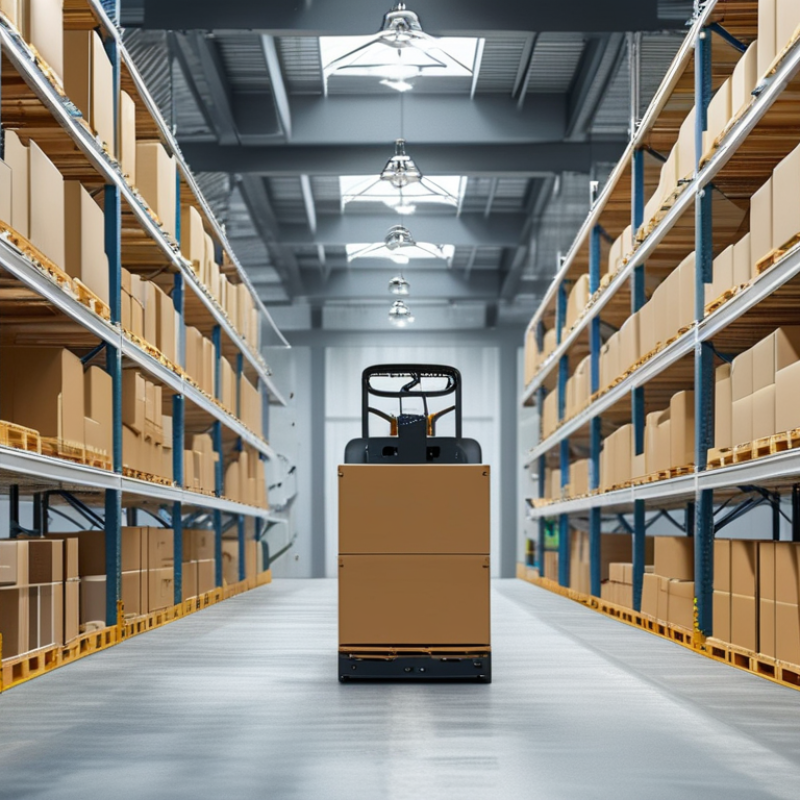
Overview of Automated Storage Systems on the Market
Automated storage systems are revolutionizing how businesses manage their inventory. According to a report by Logistics Management, 80% of warehouses plan to invest in automation technologies by 2026. This shift is driven by the need for efficiency and accuracy in storing goods. Automated systems minimize human error and increase storage capacity, enabling warehouses to optimize their operations.
The global market for automated storage systems is projected to reach $30 billion by 2026. This growth signals a robust demand across various industries, including e-commerce and manufacturing. Many companies find themselves overwhelmed by traditional storage methods, leading to the exploration of more advanced, automated solutions. However, integrating these systems isn’t without challenges. Companies often grapple with the costs associated with implementation and workforce training.
Despite the hurdles, the potential benefits are significant. For instance, automated storage systems can reduce picking times by up to 60%, thus speeding up the entire supply chain process. Organizations must weigh these advantages against the cost and effort of transition. Future growth will depend on how well they adapt and innovate in this evolving landscape.
2026 Best Automated Storage Systems Performance Overview
This chart illustrates the efficiency of various automated storage systems in terms of throughput (items per hour) and space utilization (%). The data reflects projections for 2026, showcasing the expected performance of different systems on the market.
Key Features to Look for in Automated Storage Solutions
Automated storage solutions are transforming inventory management worldwide. When selecting a storage system, essential features can significantly affect efficiency. Flexibility is crucial, as systems must adapt to changing inventory types and sizes. Buyers should look for modular configurations that allow customization according to their needs.
Another important aspect is integration. An automated system should connect seamlessly with existing warehouse management software. This ensures smooth data flow, minimizing errors. Look for systems that offer real-time inventory tracking. This feature provides better visibility and ensures timely replenishment.
Tips: Evaluate the scalability of the system. Can it handle future growth? Furthermore, consider the user interface. It should be intuitive and easy for staff to navigate. Additionally, weigh the maintenance requirements. A solution that demands frequent repairs may disrupt workflow. Always assess vendor support and training options to ensure reliable assistance.
Top Global Brands Leading the Automated Storage Industry
The automated storage industry is evolving rapidly, driven by advancements in technology. Recent industry reports show that the global automated storage system market is projected to reach approximately $14 billion by 2026, growing at a CAGR of 10%. This surge reflects the increasing demand for efficiency across sectors. Leading brands are redefining inventory management and warehousing with innovations that enhance speed and accuracy.
Tips: Consider the specific needs of your operations. Look for systems that integrate seamlessly with existing workflows. The right choice can significantly reduce labor costs while increasing storage capacity.
The market landscape showcases major players that prioritize automation. These companies utilize cutting-edge robotics and AI algorithms. They not only improve storage efficiency but also offer data analytics to inform inventory decisions. However, implementing such systems is not without challenges. Companies must invest in training and adapt to new technologies.
Tips: Assess the total cost of ownership when evaluating options. Sometimes, initial savings can be misleading if maintenance costs are high. Investing in a robust system can yield long-term benefits.
Case Studies: Successful Implementations of Automated Storage Systems
Automated storage systems (AS/RS) are reshaping supply chain management. Case studies reveal their potential to streamline operations. For instance, a leading logistics company implemented an automated system that improved storage density by 50%. This increase led to faster retrieval times and reduced labor costs.
Another case highlights a retail giant that faced inventory challenges. They adopted an automated solution that integrated seamlessly with their existing warehouse management software. This technology not only improved order accuracy but also provided real-time inventory tracking. Yet, challenges existed; initial setup costs were significant, and staff training took longer than expected.
In some instances, companies underestimated the technology's complexity. A tech firm struggled to maintain workflow efficiency post-implementation. Regular assessments were crucial to adapt and optimize the solution. Real-world examples demonstrate that while automated storage systems offer substantial benefits, careful planning and execution are key to successful integration.
Future Trends in Automated Storage Technologies and Innovations
As automated storage technologies evolve, they are becoming increasingly sophisticated. Robotics and AI are at the forefront of these innovations. Automated systems can significantly enhance efficiency in warehouses and distribution centers. For instance, advanced algorithms are now able to predict inventory needs, reducing storage costs. However, relying heavily on technology raises questions about job displacement and the need for skilled workers.
Another emerging trend is the integration of Internet of Things (IoT) devices. These devices monitor conditions and track inventory in real-time. They provide valuable data that help optimize storage solutions. Yet, with increasing reliance on connected devices, concerns about cybersecurity and data privacy grow. Companies must address these vulnerabilities as they transition to smarter systems.
Despite the advances, challenges persist. Many companies are still hesitant to invest in automation due to costs. Training staff to operate and maintain these systems poses difficulties as well. The future of automated storage is promising, but it demands careful consideration of both benefits and pitfalls. Organizations need to strike a balance between innovation and human elements in their operations.
2026 Best Automated Storage System for Global Buyers
| Dimension | Value | Remarks |
| Storage Capacity (units) | 1000 | Ideal for medium-sized warehouses |
| Automation Level | High | Includes robotic retrieval and sorting |
| System Efficiency (%) | 95 | Reduces manual labor significantly |
| Implementation Cost (USD) | 200,000 | Includes hardware and software |
| Expected ROI Period (months) | 24 | Based on average savings |
| Maintenance Frequency (times/year) | 4 | Routine checkups recommended |
| User Satisfaction Rating | 4.7/5 | Based on user feedback |
