Top Benefits of Robotic Welding for Global Buyers?
Robotic Welding has transformed manufacturing processes across the globe. Industry expert Dr. Emily Carter, a leading figure in automation, emphasizes, "The precision of robotic welding is unmatched." This technology boosts efficiency, enhances accuracy, and significantly reduces costs. Many companies are adopting it to stay competitive in the evolving market.
However, while the advantages are substantial, there are challenges. High initial investment can deter some businesses. Moreover, integrating robotic systems requires skilled personnel. This may lead to a temporary skill gap within the workforce. Despite these obstacles, the long-term benefits often outweigh the initial hurdles.
Adopting Robotic Welding can revolutionize production lines, but it also demands careful planning. Companies must weigh the pros and cons. Understanding the technology is essential. Balancing automation and human labor will be key in this ever-changing industrial landscape.
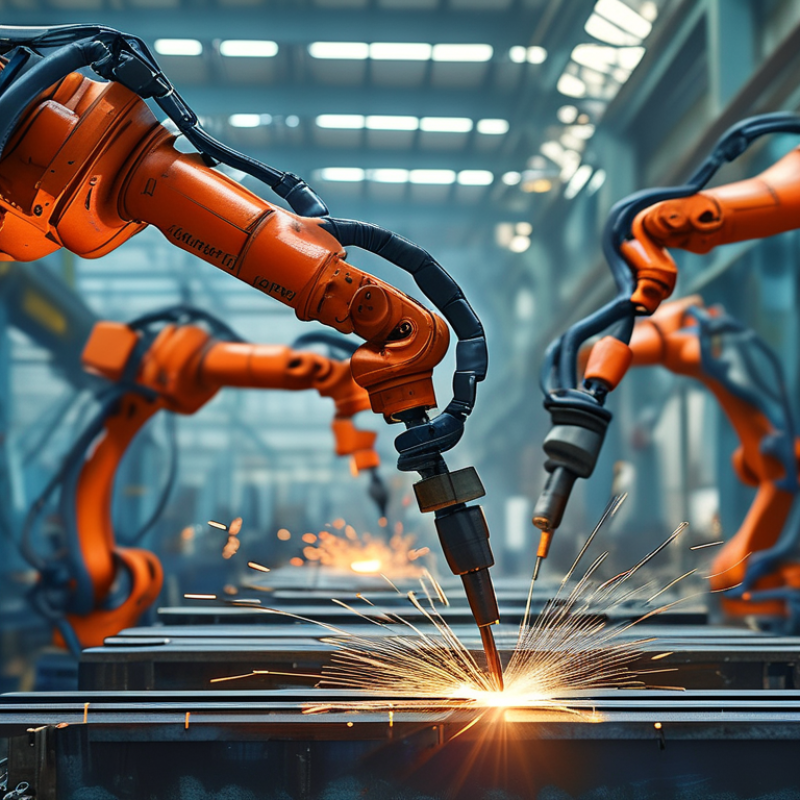
Key Advantages of Robotic Welding for Global Manufacturers
Robotic welding offers significant advantages for global manufacturers. Enhanced precision is one key benefit. Robots consistently deliver accurate welds. This reduces the risk of human error, which in turn can minimize scrap and rework costs. Manufacturers can achieve higher quality standards.
Speed is another important factor. Robotic welding systems operate much faster than manual labor, which increases productivity and reduces production time. More products can be made in less time. However, the setup and programming of these systems can be complex. Proper training is essential to maximize their potential.
Flexibility in production is evident with robotic welding. Systems can be quickly reconfigured for different projects. This adaptability is crucial in today’s fast-paced market. Yet, companies must consider the initial investment cost. Financial planning becomes key to harnessing these benefits effectively. Balancing investment with expected returns is an ongoing challenge.
Cost Efficiency: How Robotic Welding Reduces Production Expenses
Robotic welding has become a game-changer for manufacturers worldwide. A recent report highlighted that companies adopting robotic welding can reduce production costs by up to 30%. This reduction stems from factors like improved efficiency and reduced labor costs. Robots can work continuously, minimizing downtime, which translates to better output and lower expenses.
Moreover, the initial investment in robotic systems can be daunting. Research indicates that the return on investment (ROI) for robotic welding systems is often achieved within 12 to 24 months. While this may seem like a long time, the savings are significant. Companies often see reductions in scrap rates and rework costs, which can be substantial.
However, transitioning to robotic welding is not without challenges. There can be technical hurdles, such as integration with existing processes and employee training. It's crucial for manufacturers to evaluate their specific needs and workflows to ensure they achieve the desired efficiency. Embracing robotic welding may redefine operational strategies, but planning and adaptability are key.
Enhanced Precision and Quality in Robotic Welding Processes
Robotic welding is transforming manufacturing with its enhanced precision and quality. Businesses that adopt this technology see significant improvements in their production processes. The robots perform welds consistently, reducing variations that can occur with manual labor. This consistency ensures that products meet exact specifications every time, which is crucial in industries like automotive and aerospace.
However, this level of precision does come with challenges. Implementing robotic systems requires an upfront investment and ongoing maintenance. Workers need training to operate and troubleshoot these machines. Balancing automation with human oversight is essential. While robots can handle repetitive tasks effectively, human skills are needed for problem-solving and quality control.
The quality of welds produced by robots is often superior. Robots can maintain optimal speed and temperature throughout the welding process. This leads to stronger joints and fewer defects. Yet, occasional calibration issues can arise, necessitating regular checks and adjustments. Companies must remain vigilant to sustain high-quality standards in their production. Embracing robotic welding means continuously refining processes for better results.
Increased Productivity: The Speed of Robotic Welding Solutions
Robotic welding solutions significantly enhance productivity, a critical factor for global buyers. According to recent industry reports, robotic systems can increase welding speed by up to 50%. This acceleration allows manufacturers to meet tight deadlines and reduce production costs.
In a study, manufacturers noted a 30% reduction in labor costs when adopting robotic welding. These systems operate with high precision, resulting in fewer defects and less rework. As a result, companies achieve consistent quality in their products.
However, businesses must consider the initial investment in technology. The learning curve for operating advanced robotic systems can be steep. Training staff is essential to maximize the benefits. Reflecting on these challenges can help companies strategize their approach to implementation effectively.
Flexibility and Customization in Robotic Welding Applications
Robotic welding has transformed the manufacturing landscape. Its flexibility and customization capabilities stand out as key advantages. Manufacturers can adjust robotic welding parameters easily. This allows for diverse applications, from automotive to aerospace industries.
Customization allows businesses to cater to specific project requirements. Robots adapt to varying materials and designs without extensive reprogramming. This boosts productivity and reduces downtime. However, the initial setup may require significant training and investment.
Flexibility also means the ability to switch tasks seamlessly. A single robotic arm can handle multiple welding techniques. This versatility can lead to unexpected challenges. For instance, not all robots perform equally in every scenario. Continuous evaluation is essential to maintain efficiency. Adapting to real-world conditions often reveals new opportunities for improvement.
